
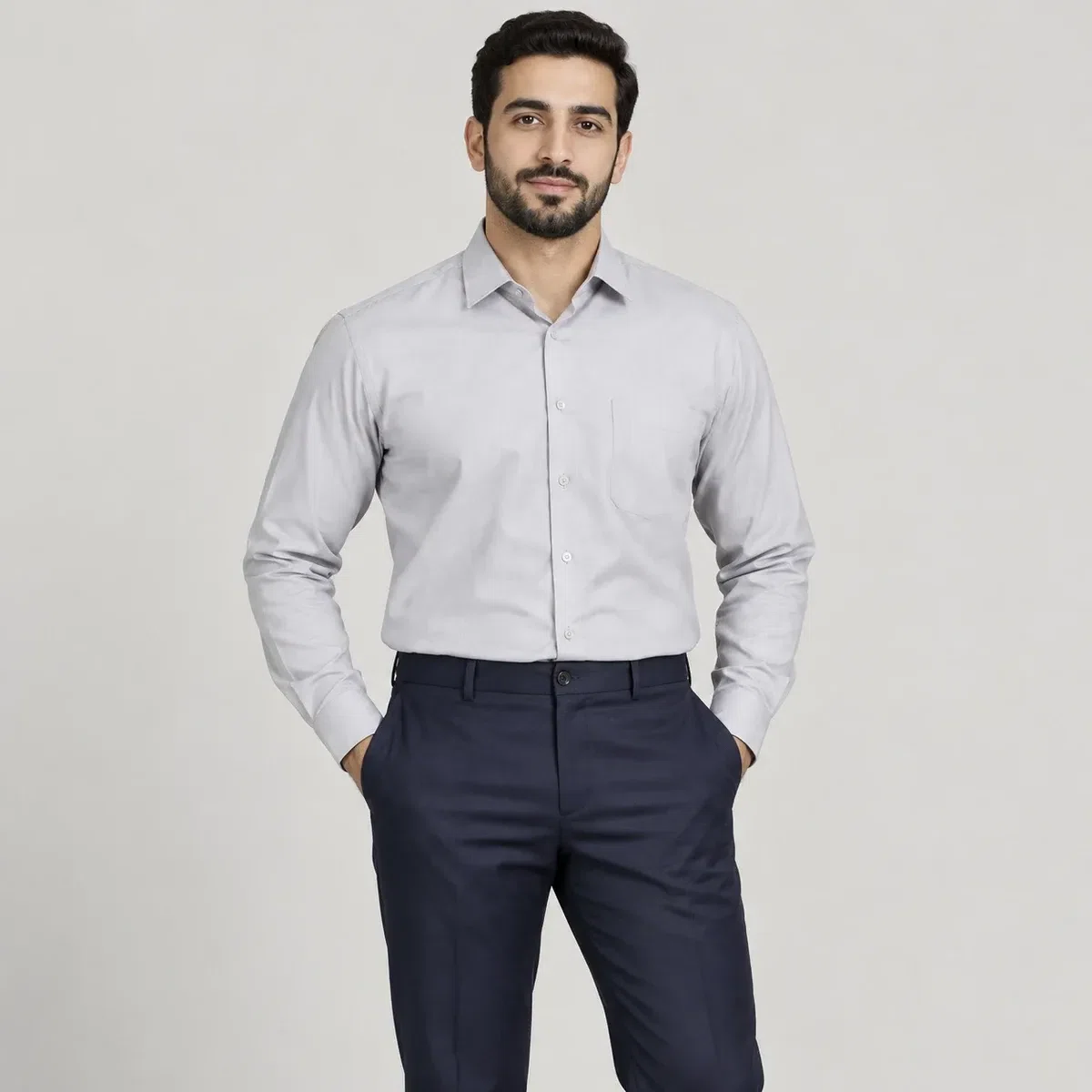
Twill Fabrics for Middle East Corporate Uniforms
Twill identifies a diagonal weave rather than one particular fibre, fabric weight or safety function. Regional textile suppliers list it for uniform programmes, including blends that buyers can compare for different garments. This guide focuses on corporate trousers and structured separates, where movement, pocket construction and care matter alongside appearance. Describe your team's working routine to Masswear Uniform, then confirm a suitable composition and sample. Review the finished garment before approving the cloth for a regional staff order or repeat programme.
Twill gives buyers a useful way to describe the diagonal surface of a woven fabric. Middle East uniform catalogs include several compositions within this category. The weave can inform a garment discussion, but it does not prove a particular level of durability, heat comfort or protection. For corporate clothing, begin with the wearer's movement and the design before deciding how much structure the fabric needs.
Assessing Twill For Trouser Movement And Garment Structure
Distinguish The Weave From The Complete Specification
Ask for fibre content, weight and finish alongside the weave name. Two swatches with a similar diagonal appearance can differ in stiffness, stretch and care. Compare alternatives for the same intended garment rather than placing lightweight shirt cloth beside a dense trouser fabric and ranking them by touch alone.
Review the direction and visual prominence of the diagonal texture in the proposed shade. Inspect matching panels on a finished sample and compare the surface under workplace lighting. If your brief needs abrasion or another measured performance requirement, request evidence for the exact material. A firm swatch cannot stand in for a documented result.
Trial The Seated Fit And Pocket Load
Trousers need a practical movement assessment. Ask the wearer to sit, walk, climb a step and reach for items as they would during work. Check the waistband, thigh, knee and seat for restriction or excess pulling. A fabric that holds shape on a hanger may still need a different garment cut to accommodate those actions.
Review pockets with the lightweight items staff normally carry, such as a phone or access card. Check whether the pocket opening remains accessible and whether the load changes the garment's balance. Inspect seams and closures without making unsupported strength promises. Consider a stretch option only after the trial identifies the movement requirement it should address.
Plan Corporate Separates With Relevant References
Explore dress slacks for corporate trouser briefs, custom skirts for coordinated staff separates and custom blazers for structured office wardrobes. These products provide design starting points within corporate clothing. Ask Masswear Uniform to confirm which fabrics suit each selected item rather than assuming the same cloth works across the entire outfit.
Compare shade and surface texture across the proposed garments. A matching colour code does not guarantee an identical visual effect when constructions differ. Review physical samples together and record the approved combination. Check any logo application for stiffness and placement so decoration does not interfere with pockets or movement.
Test Care Against The Actual Work Routine
Use the proposed care label and cleaning process for the garment trial. Inspect the waistband, seams, pocket shape and overall balance afterwards. Measure dimensions and examine the surface for visible changes. Keep observations separate from laboratory claims; both can support a purchasing decision, but they answer different questions.
Include the destination, staff roles, quantities, sizes and fit feedback in the order brief. Describe indoor duties and outdoor movement where relevant, plus the intended laundry arrangement. Confirm material availability, sample options and timing for the actual order. Retain the accepted garment and cloth specification before expanding the programme to another department or reviewing a proposed substitution.
Discuss your fabric and garment requirements with Masswear Uniform.
Author: Masswear Uniform.
Frequently Asked Questions
Common questions about Twill Fabrics for Middle East Corporate Uniforms.
Does a diagonal weave establish the fibre composition?
Why should staff test uniform trousers while sitting?
Can the same trouser cloth suit a matching blazer?
Why Masswear Uniform for custom uniforms?
Custom uniforms, considered from the first sketch to the final stitch.
Your idea. Made into a uniform.
Your colours, your fit, your identity. We turn your brief into custom uniforms made for your team.
Make every detail yours.
Embroidery, print and woven labels — considered finishing touches that put your brand front and centre.
A better fit, in every size.
Careful pattern making and grading keep the fit consistent across your whole size range.
Made for a team. Ready to scale.
Consistent sizing, stitching and finish, from your first order to the next. Minimum order varies by product.
The right fabric makes a difference.
Durable, comfortable fabrics, selected around how your team moves, works and wears its uniform.
Care at every step.
From fabric checks to the final inspection, a structured quality process keeps every detail in focus.
From our hands to your team.
Worldwide shipping with tracking, so you can follow your uniforms from dispatch to delivery.