
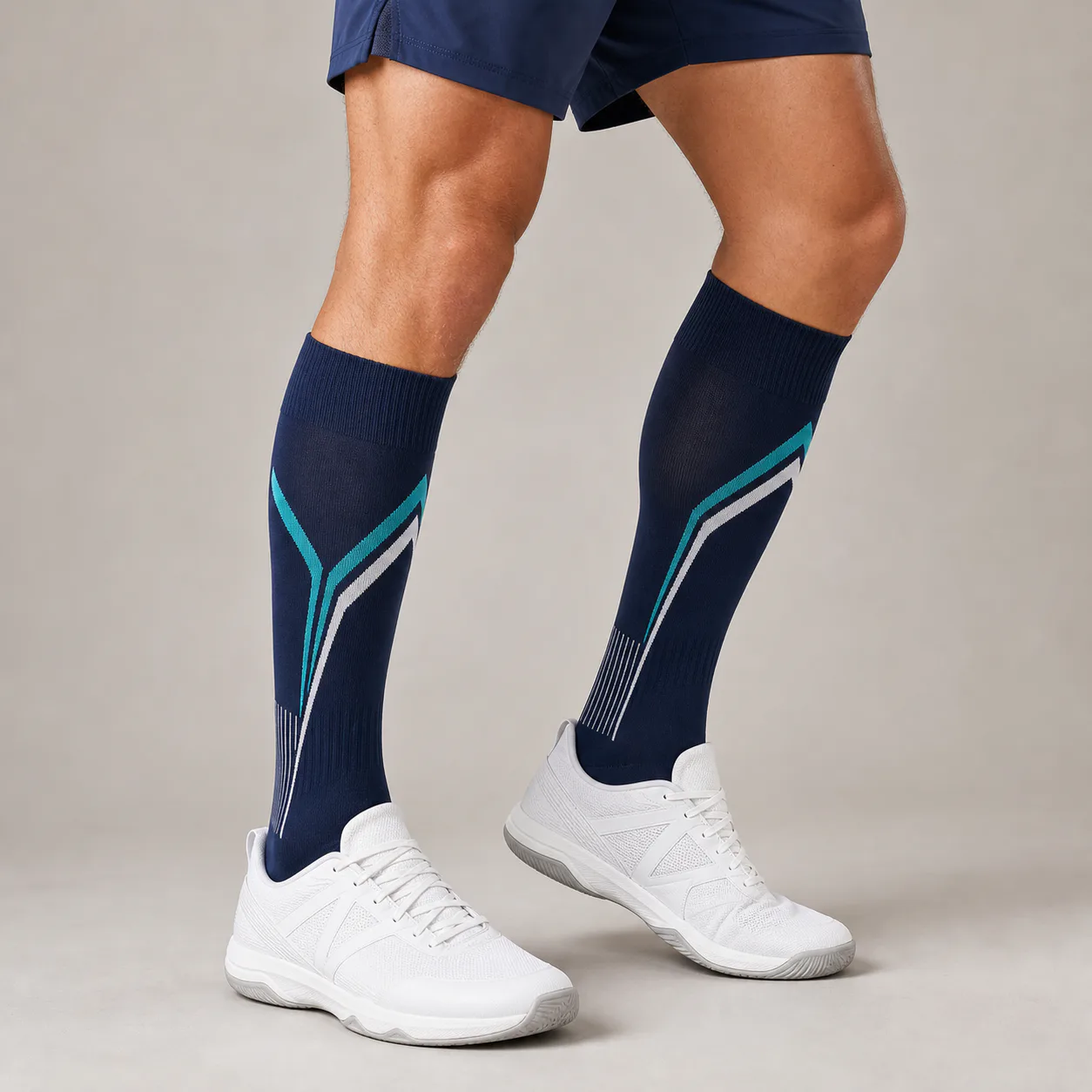
Custom Athletic Socks for Clubs and Training Groups
Shown colour: Navy/Teal/White
Starting estimate: $0.50 per unit · 20 unit minimum ($10.00).
Final pricing is confirmed in your quote and may vary with the garment, quantity, fabric, branding, and finishing you choose.
Buy athletic socks by matching the proposed size chart to wearers' footwear and the sessions they attend. A club crest and colour do not explain heel placement, cuff height or the quantity inside each pack. Share the activity, shoe-size range and intended issue arrangement with Masswear Uniform before comparing proposals. Fit the complete sample inside the shoes the group actually uses, then confirm the material, construction and artwork. Keep pair quantities explicit so the buyer can reconcile the quotation and delivery accurately.
Get a quote
Everything is on this page. Fill it in and we will prepare your detailed quote.
Buy athletic socks by matching the proposed size chart to wearers' footwear and the sessions they attend. A club crest and colour do not explain heel placement, cuff height or the quantity inside each pack. Share the activity, shoe-size range and intended issue arrangement with Masswear Uniform before comparing proposals. Fit the complete sample inside the shoes the group actually uses, then confirm the material, construction and artwork. Keep pair quantities explicit so the buyer can reconcile the quotation and delivery accurately.
Buy athletic socks by matching the proposed size chart to wearers' footwear and the sessions they attend. A club crest and colour do not explain heel placement, cuff height or the quantity inside each pack. Share the activity, shoe-size range and intended issue arrangement with Masswear Uniform before comparing proposals. Fit the complete sample inside the shoes the group actually uses, then confirm the material, construction and artwork. Keep pair quantities explicit so the buyer can reconcile the quotation and delivery accurately.
Choose athletic socks for your team
List the shoes and activities that the group normally uses with the proposed accessory. A general training programme and a role-specific staff outfit can call for different height or presentation choices. Keep those needs visible in the brief before choosing a colour pattern. Ask the activity lead which features matter and which preferences remain optional. This prevents the buyer from accepting a visually suitable sample without checking how the item sits inside the actual footwear or how members will use it during a session.
Reconcile Shoe Labels With the Proposed Chart
Ask for the exact size range and conversion information that accompanies the proposed style. Collect wearers' actual shoe sizes and note the system behind each entry rather than combining different numerical labels as if they meant the same thing. Fit representative users across the intended range before assigning quantities. Record the accepted chart and sample reference together. This gives purchasing a reliable allocation method and avoids copying the club's shirt-size ratio into an accessory that follows a different measurement system.
Check Heel Position Inside Normal Training Shoes
Ask wearers to put the sample on carefully and inspect where the heel and toe areas sit before and after fitting the shoe. Review any bunching or movement during the agreed trial. A label that covers several shoe sizes still needs a practical check at the ends of the proposed range. Keep the result specific to the sample and footwear. Record the accepted size reference so future buyers can compare a new proposal without treating a broad small or large label as complete evidence.
Agree Cuff Height and Opening Comfort
Compare the cuff position with the shoes and the lower garments in the programme. Ask wearers to move through the normal routine and note pressure, slipping or a height that conflicts with the intended appearance. Request the actual proposed dimensions rather than approving a broad ankle or crew description alone. If the group wants more than one height, separate those versions in the order schedule. This lets receiving staff distinguish the approved variants and prevents a colour match from hiding a different cuff arrangement.
Inspect Toe and Underfoot Contact Details
Review the proposed seams and any changes in material thickness inside the actual shoe. Ask wearers to report specific contact points during the agreed fitting rather than relying on how the item feels in the hand. Discuss the construction with the supplier when the sample does not meet the brief. Treat cushioning or comfort language as a requirement to assess, not an automatic property of every athletic accessory. Keep the sample observations with the size and footwear references so another buyer can repeat the comparison.
Request Material and Care Information Together
Ask for the proposed composition and care instructions for the complete item, including the club mark. Review those details alongside the physical sample and the programme's expected use. Request evidence when a particular moisture-management or durability property drives the purchase. Avoid treating a fibre name as proof of the finished performance. Retain the approved material reference with the care guidance so later stock additions receive a clear review if the supplier proposes another blend, finish or construction.
Approve Club Patterns Across the Size Range
Show the final colours and logo placement on the intended accessory area. Check how the design reads on small and large sizes and how the cuff position affects visibility above the shoe. Ask for a sample of the proposed method on the actual material. Keep a simplified crest under its own approval if the available surface requires it. Save the final pattern and colour references so repeat stock follows the accepted design rather than an enlarged garment logo adapted without a fresh brand review.
Specify Pair Counts and Packing Labels
State whether every quantity in the quotation refers to pairs, individual items or retail packs. Record the number of pairs inside a pack wherever the programme uses multipacks. Keep sizes and artwork versions on the packing schedule so receiving staff can check the allocation without opening and sorting every unit. Identify deliberate spare stock separately. This removes a practical source of confusion when the apparel order uses pieces but the accessory line follows a different counting unit within the same purchase document.
Build the Issue Schedule From Actual Sizes
Allocate named staff or participant quantities using the accepted conversion chart and the confirmed wearer information. Separate programme stock or retail units from those named allocations. Do not spread the same extra quantity across every size without checking what the club deliberately wants to hold. Keep the footwear and cuff version visible beside the size total when alternatives exist. A complete schedule helps purchasing compare realistic quotes and gives the club a clear record for later member requests or replacements.
Confirm the Accessory Reference Before Reordering
Send the accepted size chart, material, cuff dimensions, artwork and pair quantities with the request for pricing. Include the receiving contact and ask Masswear Uniform to confirm proposed sample and order arrangements against the programme's review date. Check the written quotation for the correct counting unit and pack contents. Keep the final sample reference after purchase and review any changed construction or size conversion before repeating the order. A familiar club pattern should not replace the evidence of the actual accessory that users approved.
Compare related options: Custom Workout Shirts for Coaches and Training Teams, Custom Yoga Leggings for Studios and Group Programmes, Custom Tracksuits for Clubs and Training Groups.
Materials & Features
Ask for the exact size range and conversion information that accompanies the proposed style. Collect wearers' actual shoe sizes and note the system behind each entry rather than combining different numerical labels as if they meant the same thing.
Related Products
More from this category
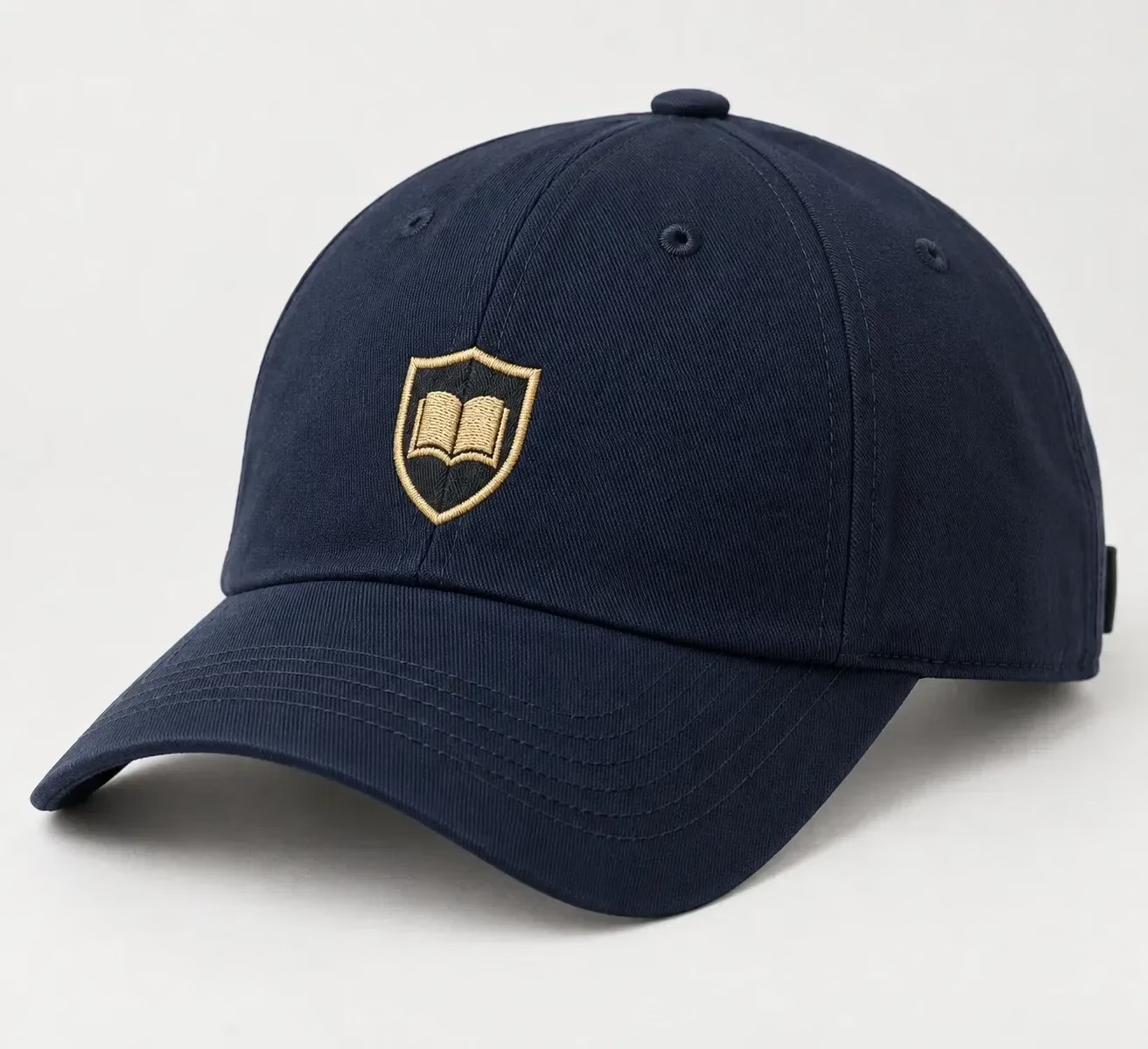
Custom Gym Caps for Staff and Club Events
MOQ: 20 pieces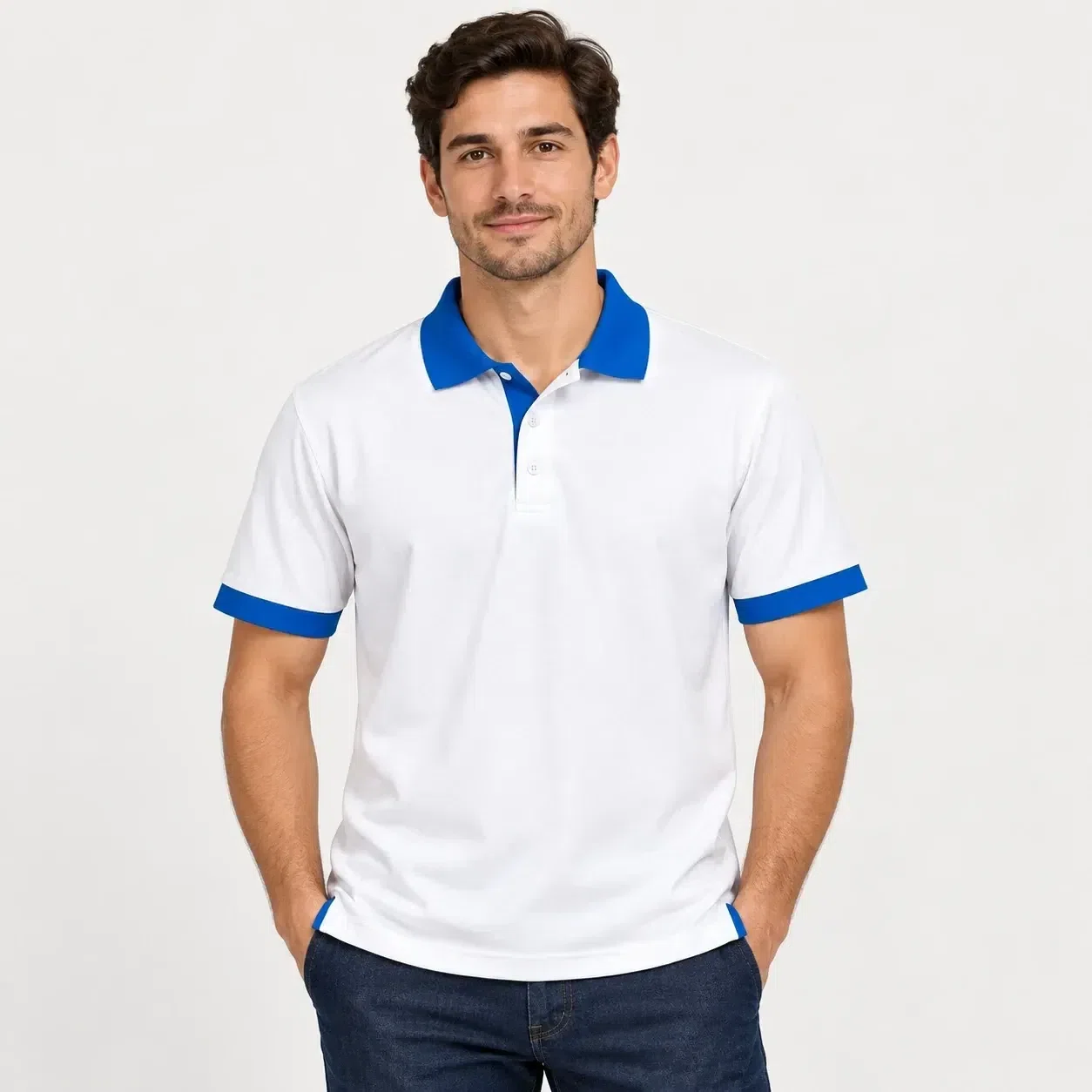
Custom Gym Polo Shirts for Coaches and Reception
MOQ: 20 pieces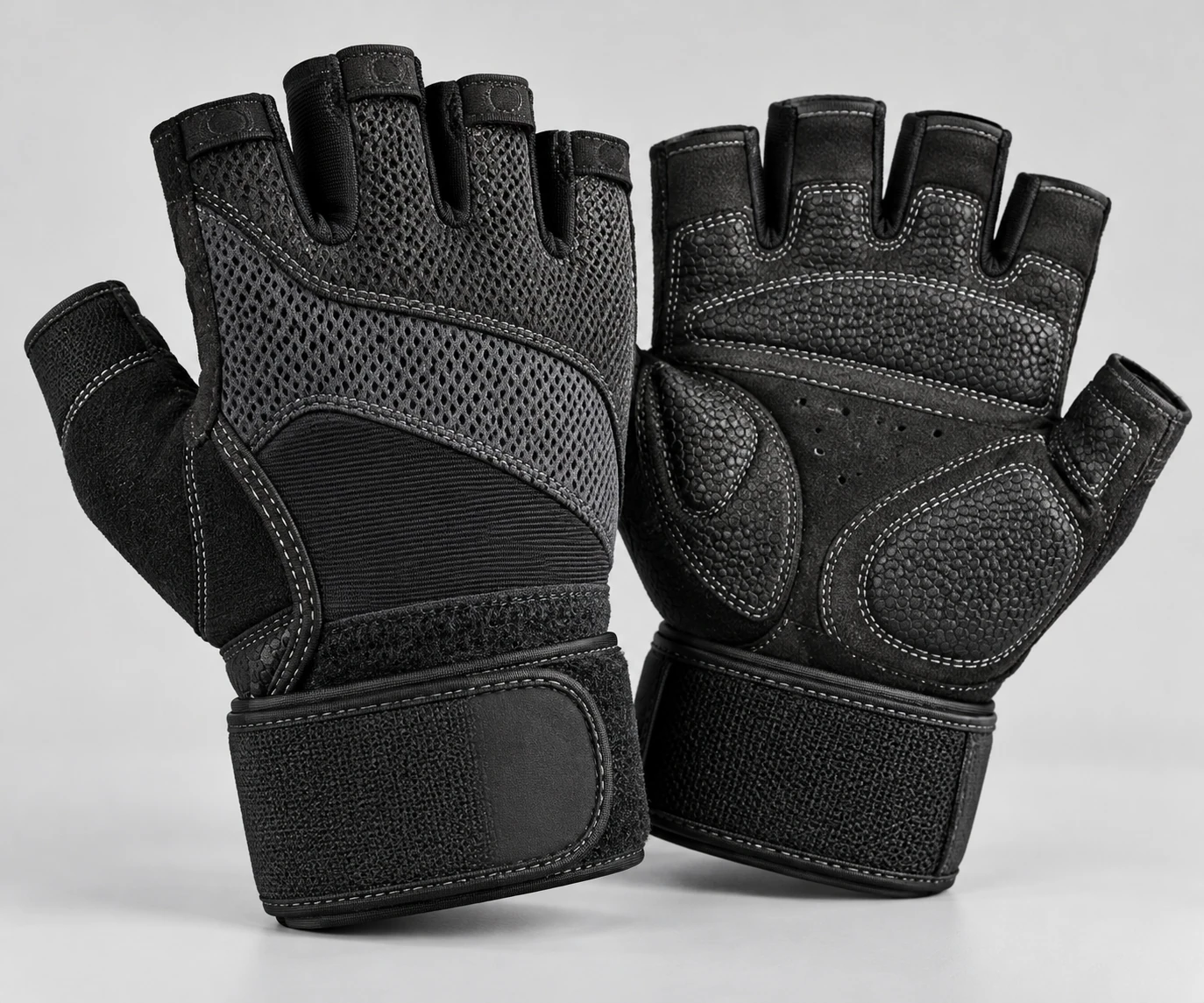
Custom Gym Gloves for Club Training Programmes
MOQ: 20 pieces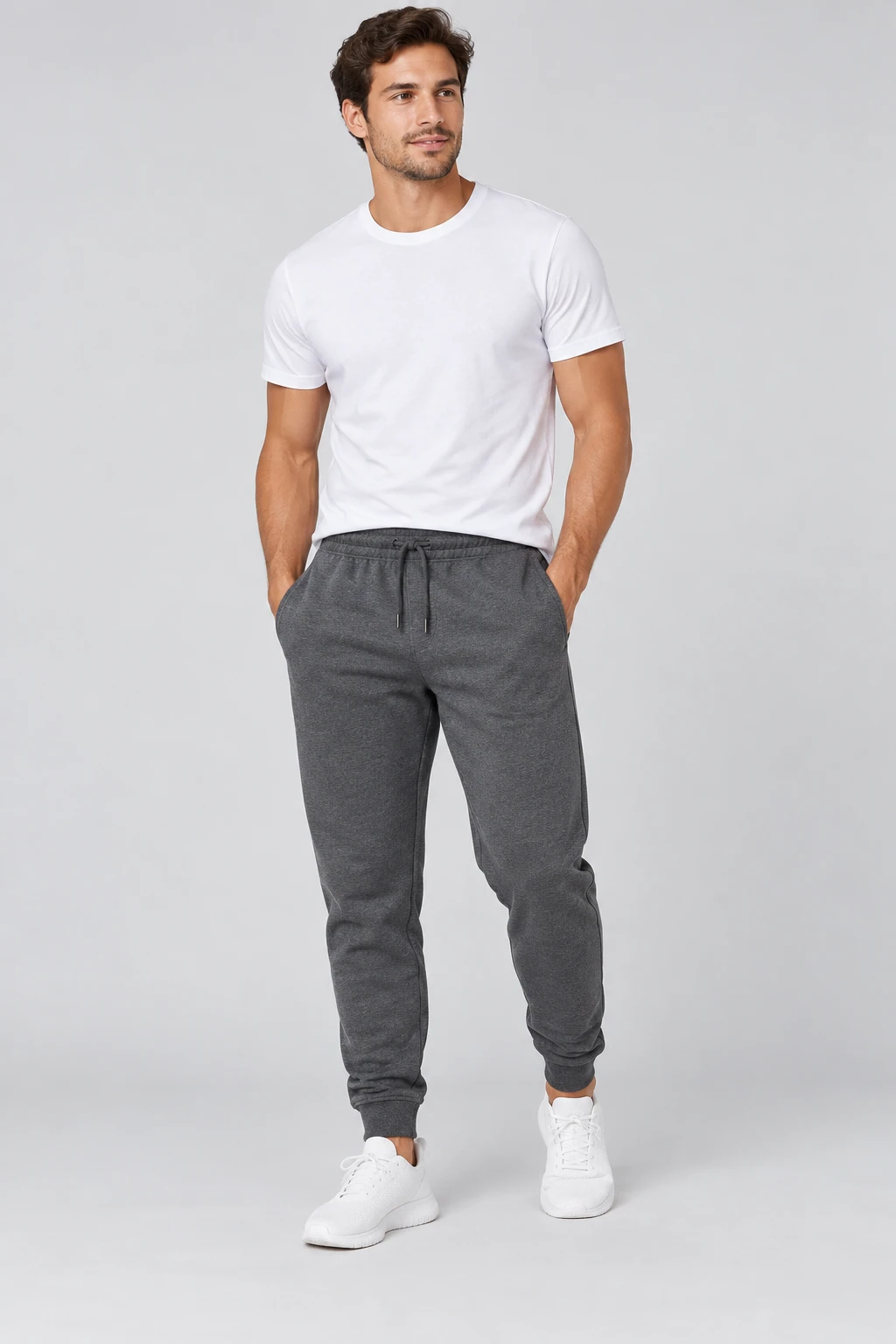
Custom Sweatpants for Clubs and Training Programmes
MOQ: 20 pieces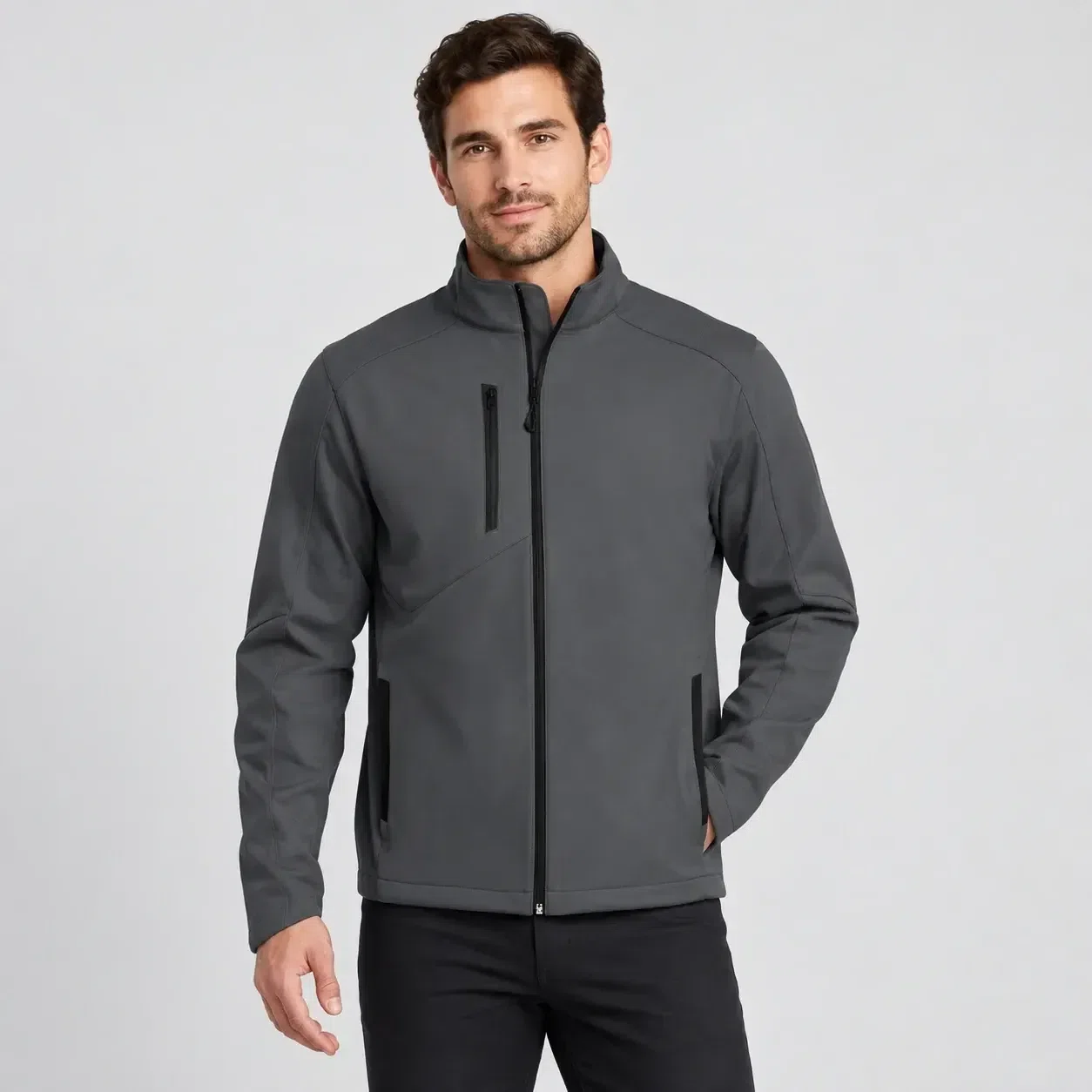
Custom Zip-up Jackets for Fitness Staff and Clubs
MOQ: 20 pieces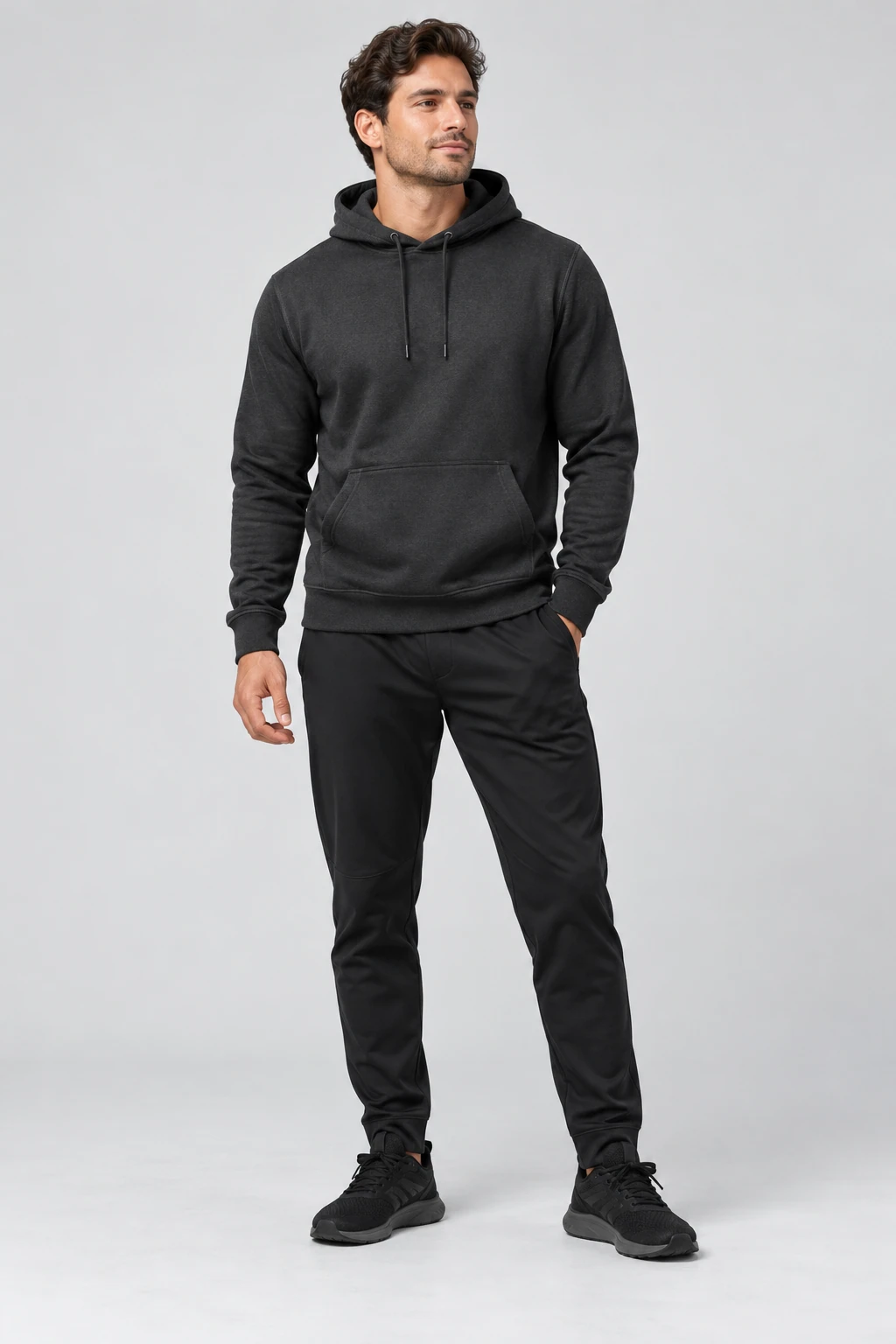
Custom Athletic Hoodies for Clubs and Coaching Teams
MOQ: 20 pieces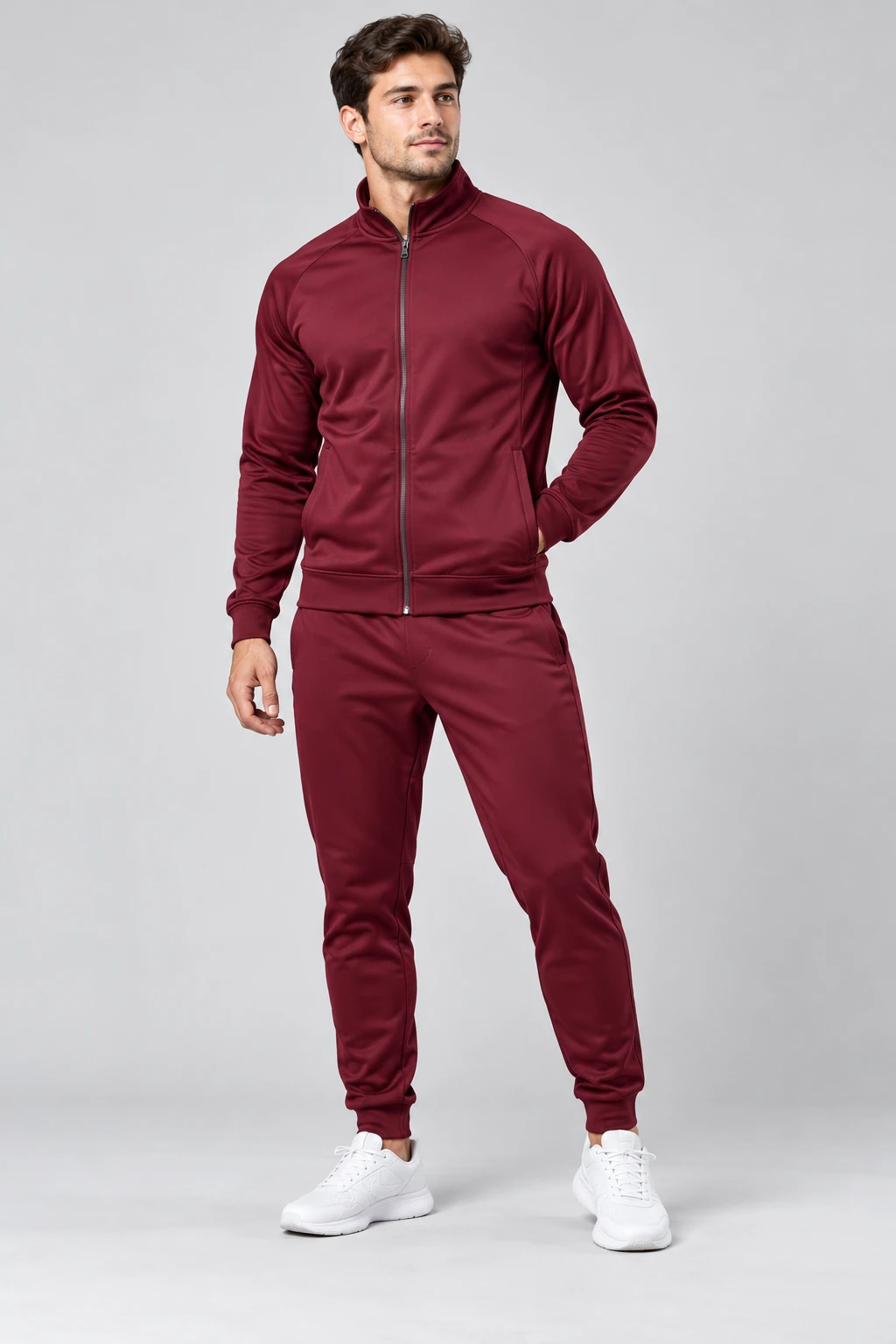
Custom Tracksuits for Clubs and Training Groups
MOQ: 20 pieces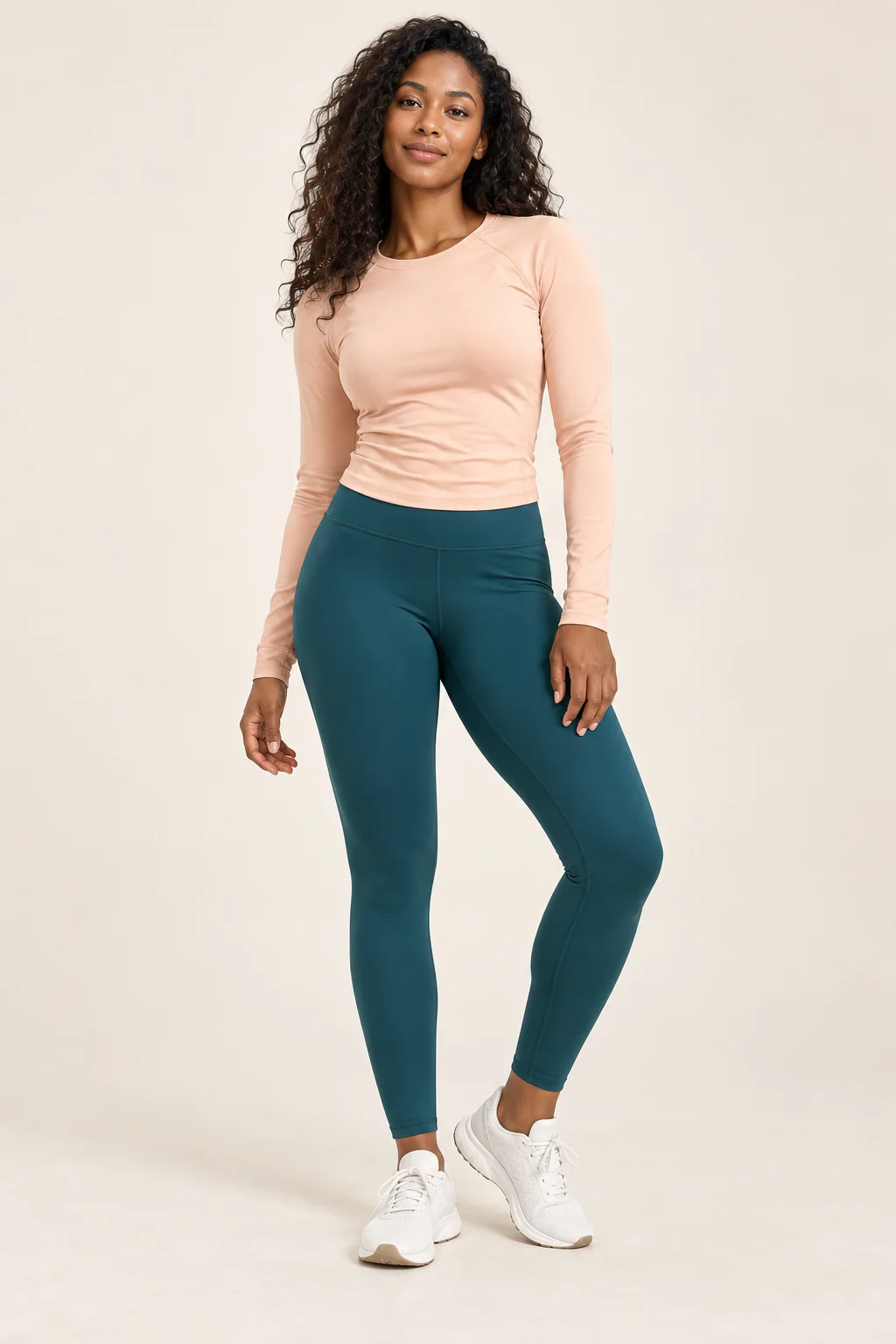
Custom Yoga Leggings for Studios and Group Programmes
MOQ: 20 pieces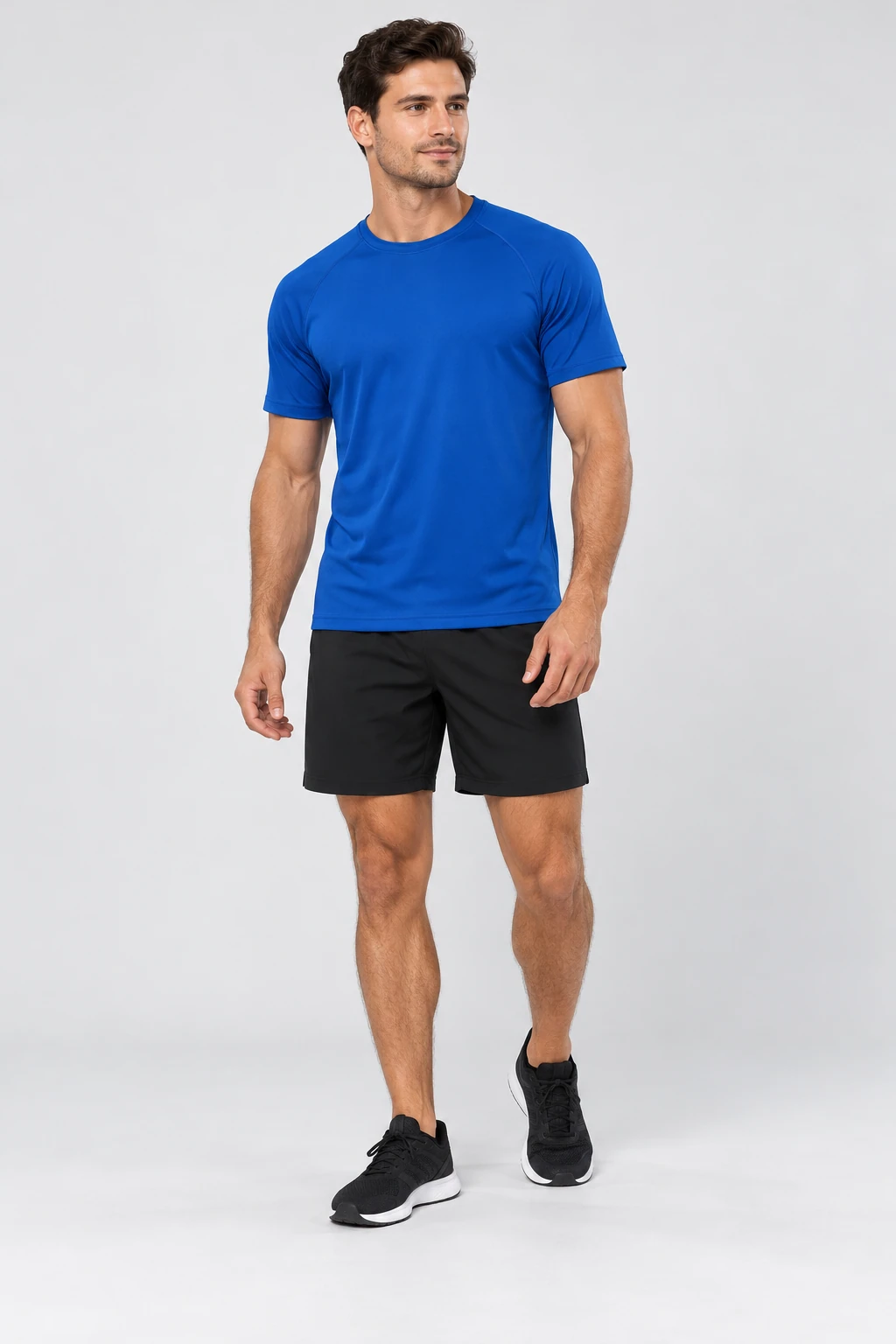
Custom Workout Shirts for Coaches and Training Teams
MOQ: 20 pieces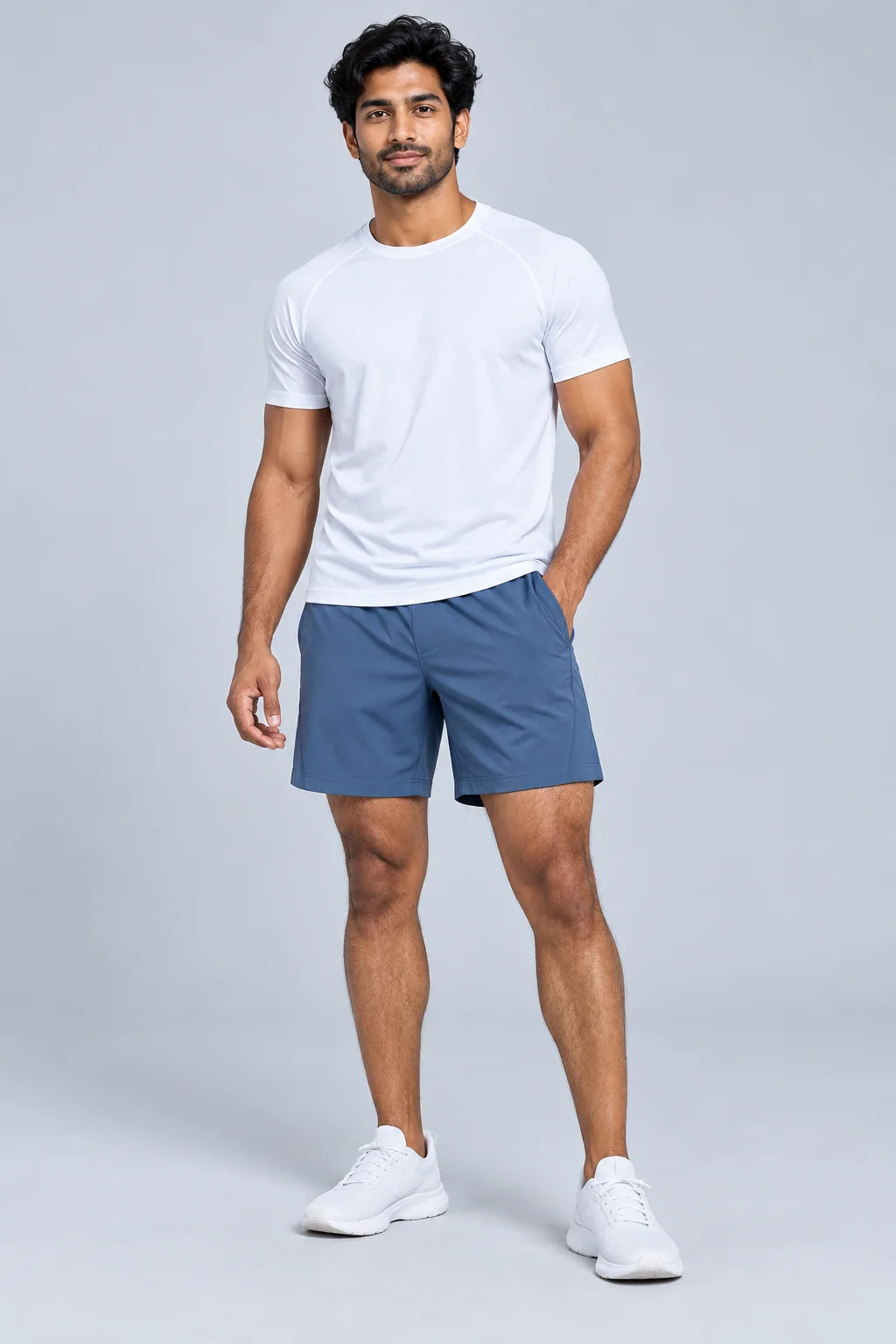
School Gym Shorts for PE and Clubs
MOQ: 20 piecesCustom Gym Shorts for Training Groups
MOQ: 20 piecesReconcile Shoe Labels With the Proposed Chart
Ask for the exact size range and conversion information that accompanies the proposed style. Collect wearers' actual shoe sizes and note the system behind each entry rather than combining different numerical labels as if they meant the same thing.
Check Heel Position Inside Normal Training Shoes
Ask wearers to put the sample on carefully and inspect where the heel and toe areas sit before and after fitting the shoe. Review any bunching or movement during the agreed trial.
Agree Cuff Height and Opening Comfort
Compare the cuff position with the shoes and the lower garments in the programme. Ask wearers to move through the normal routine and note pressure, slipping or a height that conflicts with the intended appearance.
Why Masswear Uniform for custom uniforms?
Custom uniforms, considered from the first sketch to the final stitch.
Your idea. Made into a uniform.
Your colours, your fit, your identity. We turn your brief into custom uniforms made for your team.
Make every detail yours.
Embroidery, print and woven labels — considered finishing touches that put your brand front and centre.
A better fit, in every size.
Careful pattern making and grading keep the fit consistent across your whole size range.
Made for a team. Ready to scale.
Consistent sizing, stitching and finish, from your first order to the next. Minimum order varies by product.
The right fabric makes a difference.
Durable, comfortable fabrics, selected around how your team moves, works and wears its uniform.
Care at every step.
From fabric checks to the final inspection, a structured quality process keeps every detail in focus.
From our hands to your team.
Worldwide shipping with tracking, so you can follow your uniforms from dispatch to delivery.
Ready to Outfit Your Team?
From healthcare to hospitality, we deliver premium custom uniforms tailored to your brand. Get a personalised quote, no commitment required.
Flexible minimums
Minimum order varies by product
Free design help
Our team preps your artwork
Clear turnaround
Confirmed with your quote
Support Mon – Sun, 24/7. We usually reply within minutes.
Frequently Asked Questions
Find answers to common questions about our products.
What footwear information should our buying brief include?
How should we handle different shoe-size systems?
What should wearers check about heel position?
How do we compare cuff height and opening?
Where should we inspect seams inside the shoe?
Explore Custom Athletic Socks for Clubs and Training Groups by country
Explore Custom Athletic Socks for Clubs and Training Groups and related industry information for your destination. Choose a country from the map or the list.