
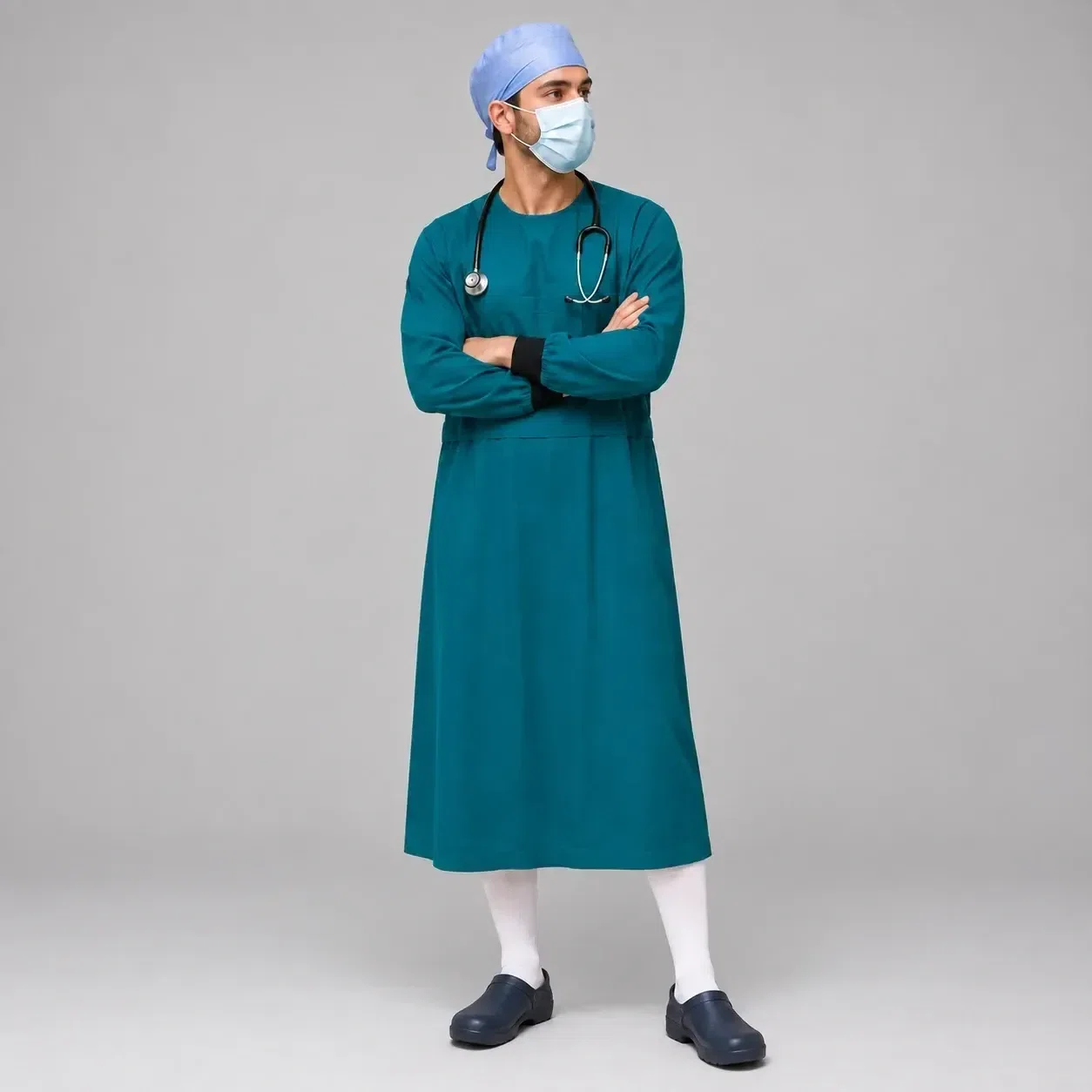
Custom Surgical Gowns for Procurement Specification Review
Shown colour: Teal
Starting estimate: $0.50 per unit · 20 unit minimum ($10.00).
Final pricing is confirmed in your quote and may vary with the garment, quantity, fabric, branding, and finishing you choose.
Discuss a gown order with Masswear Uniform using a brief that covers intended use, garment measurements, quantities and required documentation. Identify the people who will assess suitability before you approve appearance details. Submit requested closures, sleeve dimensions, colours and any optional branding for review. This page makes no protective performance, sterility or reusable clinical suitability claim. Ask your procurement reviewers to confirm applicable requirements and evaluate the evidence for the specific proposed garment before your organisation proceeds.
Get a quote
Everything is on this page. Fill it in and we will prepare your detailed quote.
Discuss a gown order with Masswear Uniform using a brief that covers intended use, garment measurements, quantities and required documentation. Identify the people who will assess suitability before you approve appearance details. Submit requested closures, sleeve dimensions, colours and any optional branding for review. This page makes no protective performance, sterility or reusable clinical suitability claim. Ask your procurement reviewers to confirm applicable requirements and evaluate the evidence for the specific proposed garment before your organisation proceeds.
By Masswear Uniform
Custom surgical gowns require a purchasing brief that separates garment appearance from the evidence your organisation needs for its intended use. Start your Masswear Uniform enquiry with the proposed setting, wearer group, required documentation and design preferences. Our product listing supports a discussion about your requirements; it does not establish protective performance, sterility or suitability for a clinical procedure.
Specify custom surgical gowns before approving the design
Define the intended use first
Name the task and setting rather than relying on a department label. A purchasing request for a surgical team needs more detail than a request for matching colours. Identify who will assess the garment's suitability and which requirements your organisation expects the supplier to substantiate before you consider an order.
Ask your procurement and appropriate clinical reviewers to identify the applicable requirements for your market and intended use. Include the product documentation, test evidence, labeling and any regulatory information they need. Keep each requirement open until your reviewers receive adequate evidence for the specific proposed garment. A quote, photograph or attractive design cannot supply that evidence.
Do not infer a protective classification from the word gown, a fabric name or the garment's colour. This page makes no claim about fluid resistance, barrier protection, sterility, certification or reusable clinical suitability. If your request depends on those properties, identify them explicitly and resolve the evidence requirements before approving a purchase.
When a supplier provides documentation, check that it identifies the proposed item and version rather than another product in its range. Ask your reviewer to compare the document scope with the garment, construction and intended use in your request. Record any discrepancy for clarification. Keep generic company brochures separate from the product evidence that supports your organisation's actual purchasing decision process.
Describe fit through garment measurements
Give the supplier a measurement brief instead of a size label alone. Record the requested garment length, sleeve length, chest allowance and rear coverage. Ask which measurement points the proposed size chart uses, and compare those points across your required sizes. Two garments with the same size label can follow different measurement charts.
Explain any intended layering so your reviewers can assess movement with the clothing underneath. Ask about the proposed neck closure, waist fastening and cuff design rather than assuming a particular construction from the product image. Record your requirements as requests; the enquiry must establish which details the supplier can actually provide.
For a fit review, ask wearers to report specific observations: sleeve reach, fastening access, unwanted pulling or changes in coverage during movement. Keep those observations separate from protective performance judgments. A comfortable sample can help assess fit, but it cannot demonstrate a barrier rating or validate clinical use.
Review decoration within the garment specification
Decide whether your organisation needs decoration at all. A plain garment may suit the brief better than a prominent logo. If you want identification, submit the exact organisation name, approved artwork and proposed placement. Describe how users need to read the information and whether your existing clothing already supplies that identification.
Ask your reviewers whether a proposed decoration method or location could affect the garment requirements. Do not approve embroidery, print or added labels solely because a visual preview looks correct. Require the supplier to explain the proposed method and provide whatever supporting information your procurement process needs for the complete garment.
Check spelling, scale and contrast separately from those technical questions. Keep a dated artwork reference and record who approved it. If the design changes after review, identify the affected garment version and ask the relevant reviewer to assess that change before your team continues.
Keep different healthcare garments distinct
A shared colour palette can connect an apparel programme visually, but each product needs its own specification. When reviewing surgical caps for your team, record their fit and identification requirements separately. A matching cap does not establish the gown's suitability, and a coordinated photograph cannot verify either item's clinical performance.
For staff who also need lab coats with organisation branding, maintain a separate item description, size chart and artwork reference. This distinction helps the supplier understand your enquiry without treating two different garments as interchangeable. Your reviewers should assess each item against its own intended use and required evidence.
Keep patient gowns for facility apparel programmes on a separate purchasing line as well. Patient clothing and staff gowns address different wearer needs. State who will wear each item, the requested opening and coverage details, and the relevant review owner. Avoid selecting one category merely because its name includes hospital or medical.
Build a traceable quotation request
Give every proposed gown version an item identifier. List the requested sizes and quantities under that identifier, then attach its measurement brief and design reference. If departments want different closures, lengths or colours, describe the differences directly. A single total quantity cannot communicate those variations clearly.
- Identify the intended use and the person responsible for suitability review.
- List required evidence and mark any unanswered requirement as pending.
- Attach measurements, size quantities and the requested garment construction details.
- Separate optional decoration requests from essential purchasing criteria.
- Provide the receiving location and your requested delivery date for discussion.
Ask the supplier to distinguish confirmed details from requests that still need review. Obtain order-specific pricing, minimum quantities and estimated timing through the quotation process. Do not plan around a general turnaround claim or assume that a requested date represents an agreed commitment.
Separate design approval from suitability approval
Use different approval records for appearance and technical acceptance. Your brand reviewer can approve spelling and artwork, while your designated procurement reviewers assess the evidence relevant to intended use. Keep unresolved questions visible in the order file so a design sign-off cannot accidentally close them.
When you request a garment specification discussion, send the intended use, measurement requirements, quantities and required documentation together. Identify the approval owners and outstanding questions. This gives Masswear Uniform a concrete enquiry to review and gives your organisation a clear basis for deciding whether to proceed.
Materials & Features
Describe the proposed task, wearer group and required evidence before choosing visual details. Ask your designated reviewers to identify applicable requirements and keep unanswered suitability questions open throughout the enquiry.
Related Products
More from this category
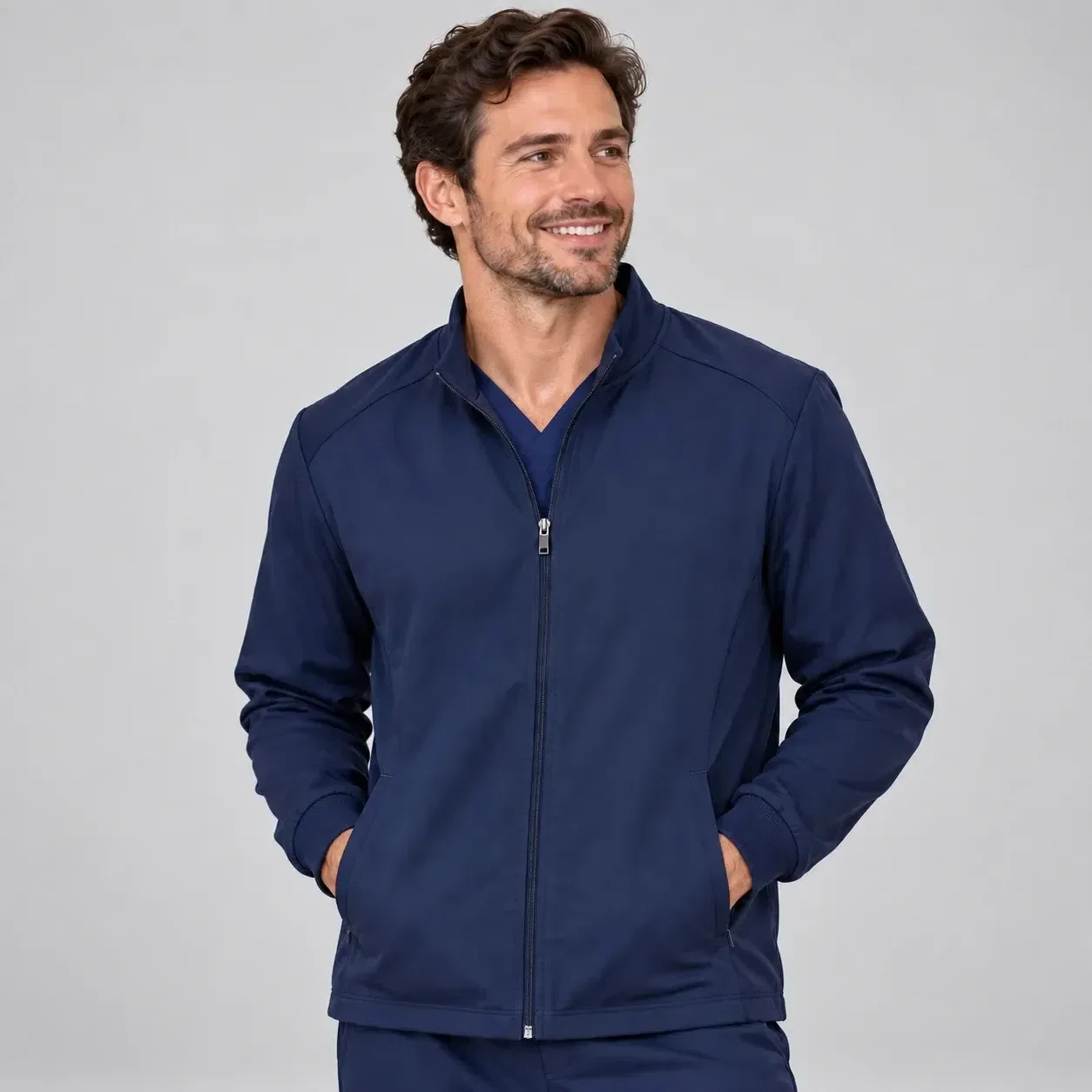
Hospital Logo Embroidery
MOQ: 20 pieces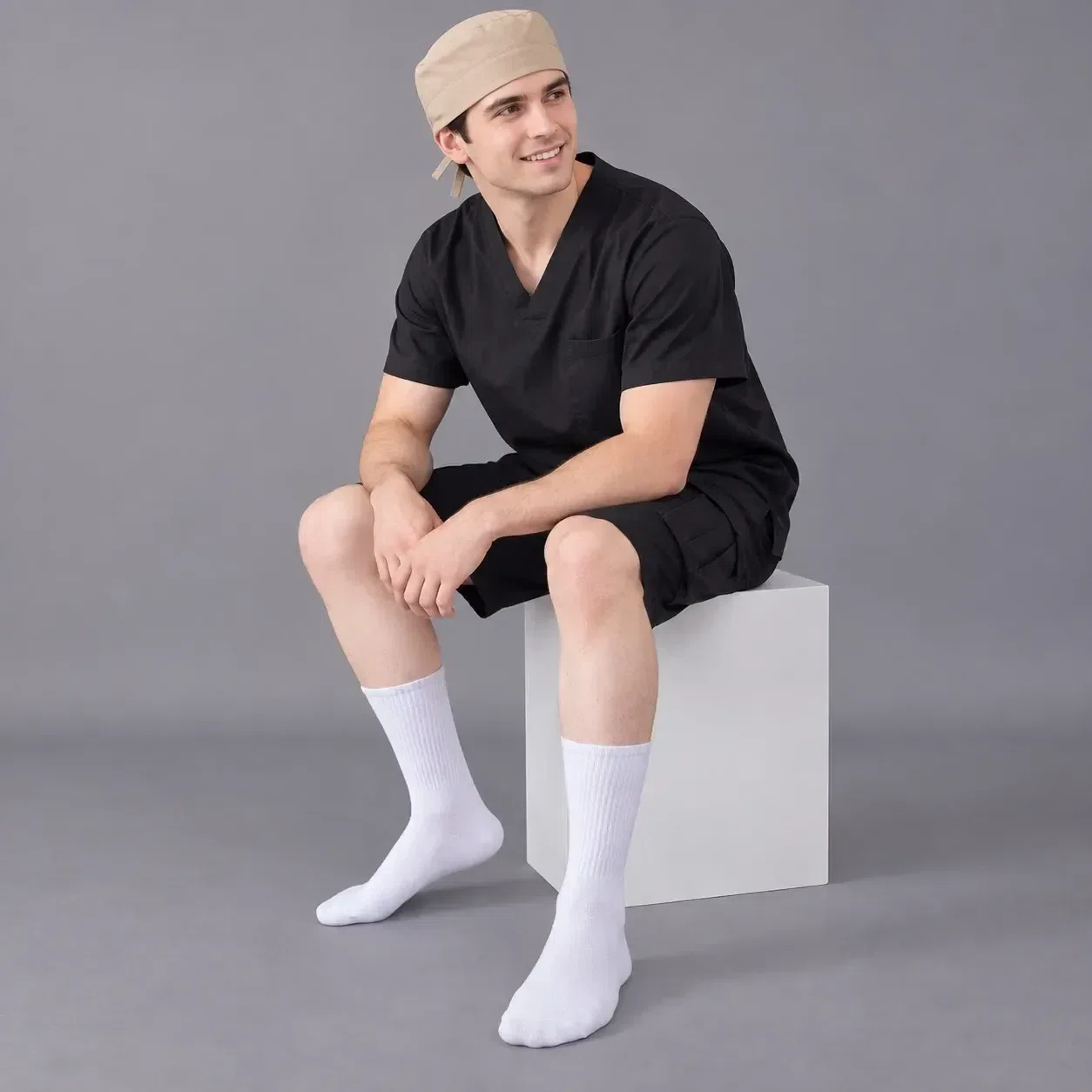
Custom Compression Socks for Nurses
MOQ: 20 pieces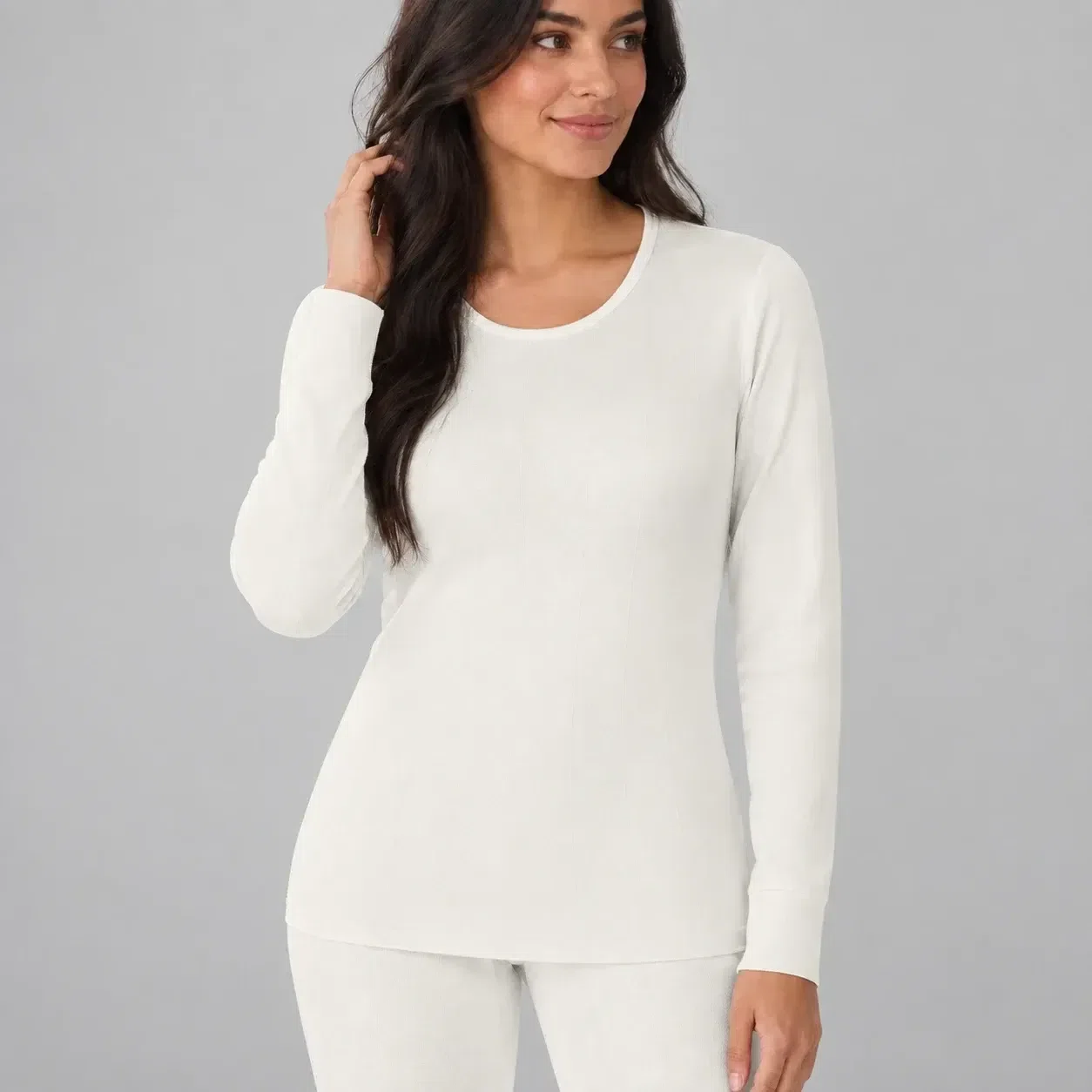
Custom Long Sleeve Undershirts
MOQ: 20 pieces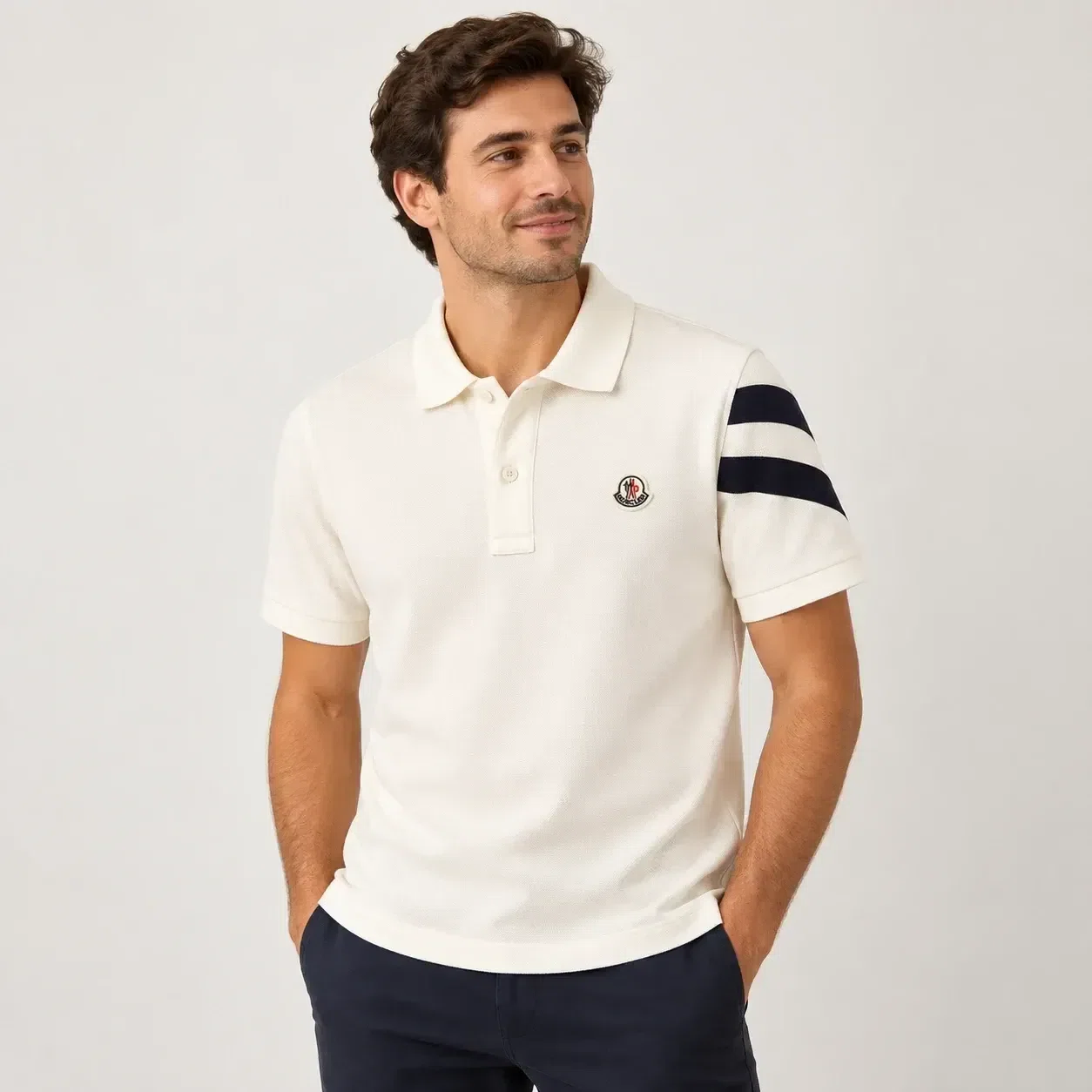
Custom Embroidered Polo Shirts
MOQ: 20 pieces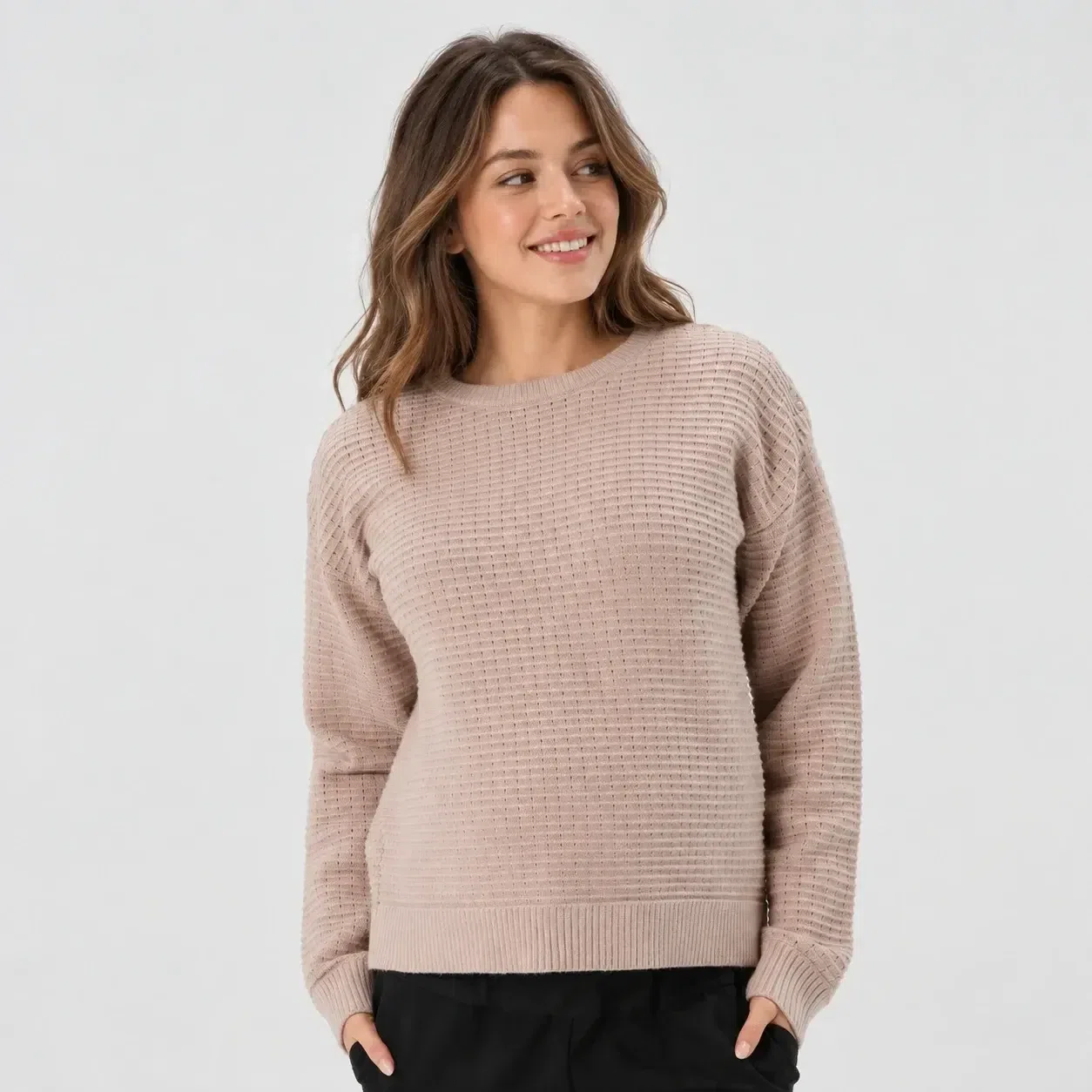
Custom Nurse Sweatshirt
MOQ: 20 pieces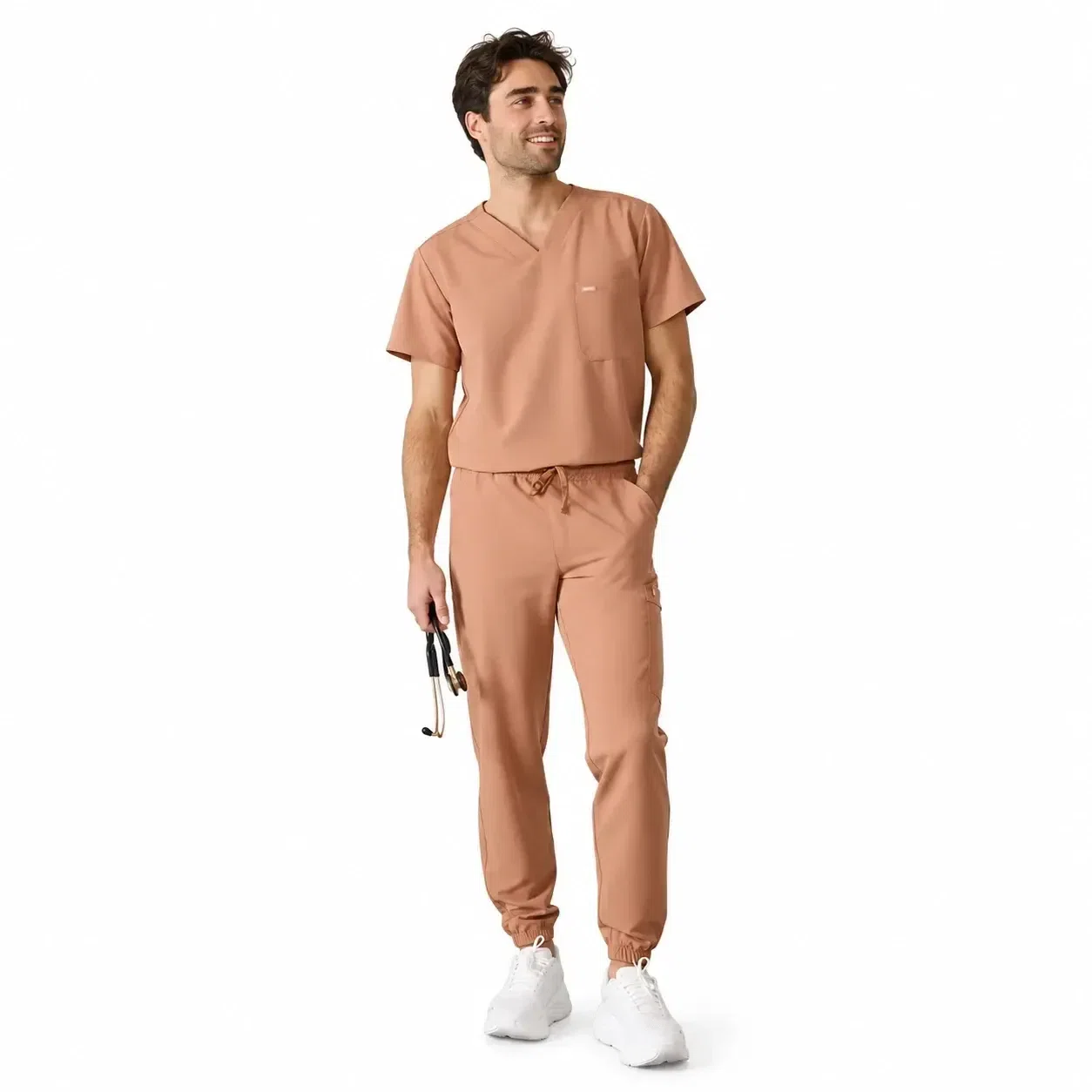
Custom Jogger Scrubs for Your Healthcare Team
MOQ: 20 pieces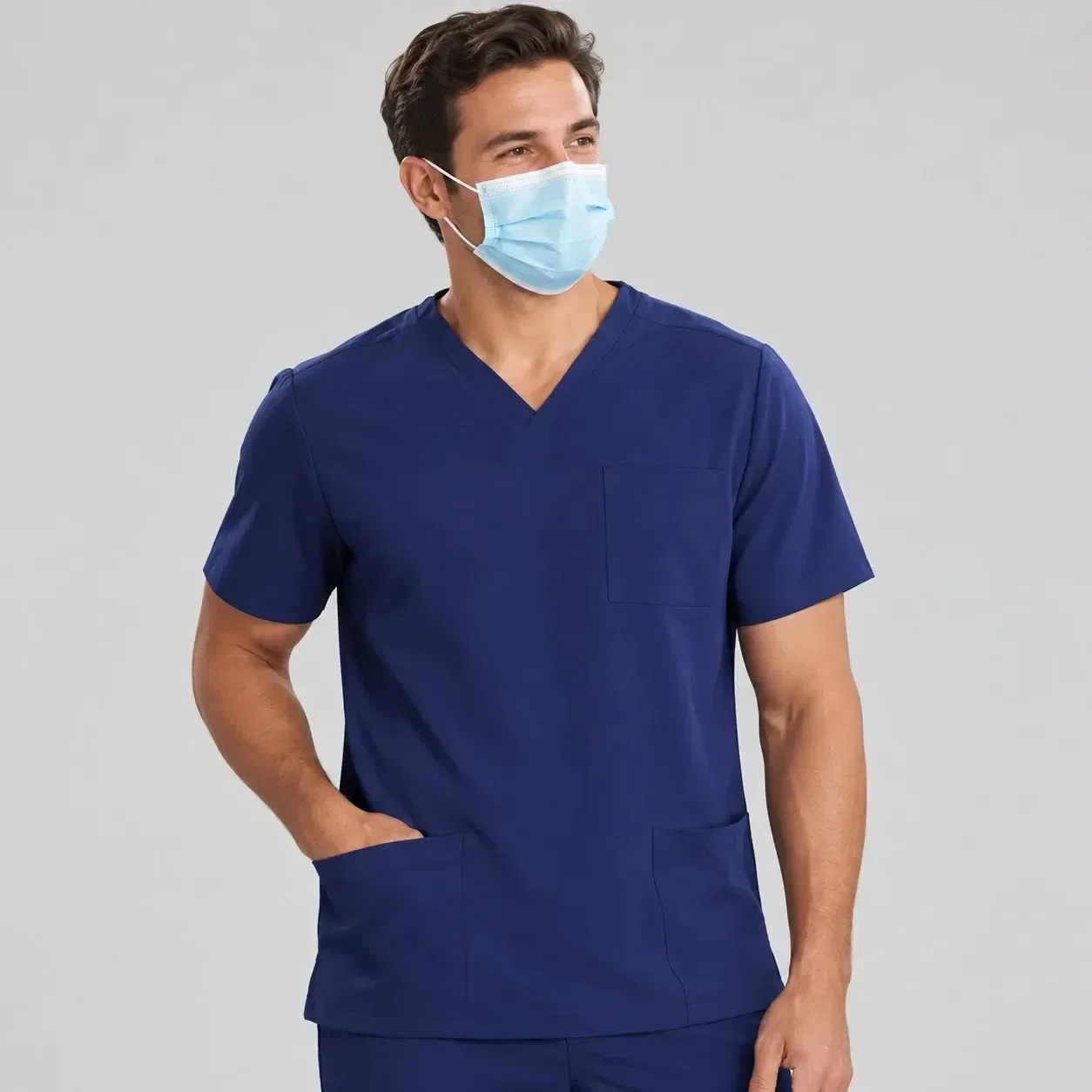
Custom V Neck Scrub Tops
MOQ: 20 pieces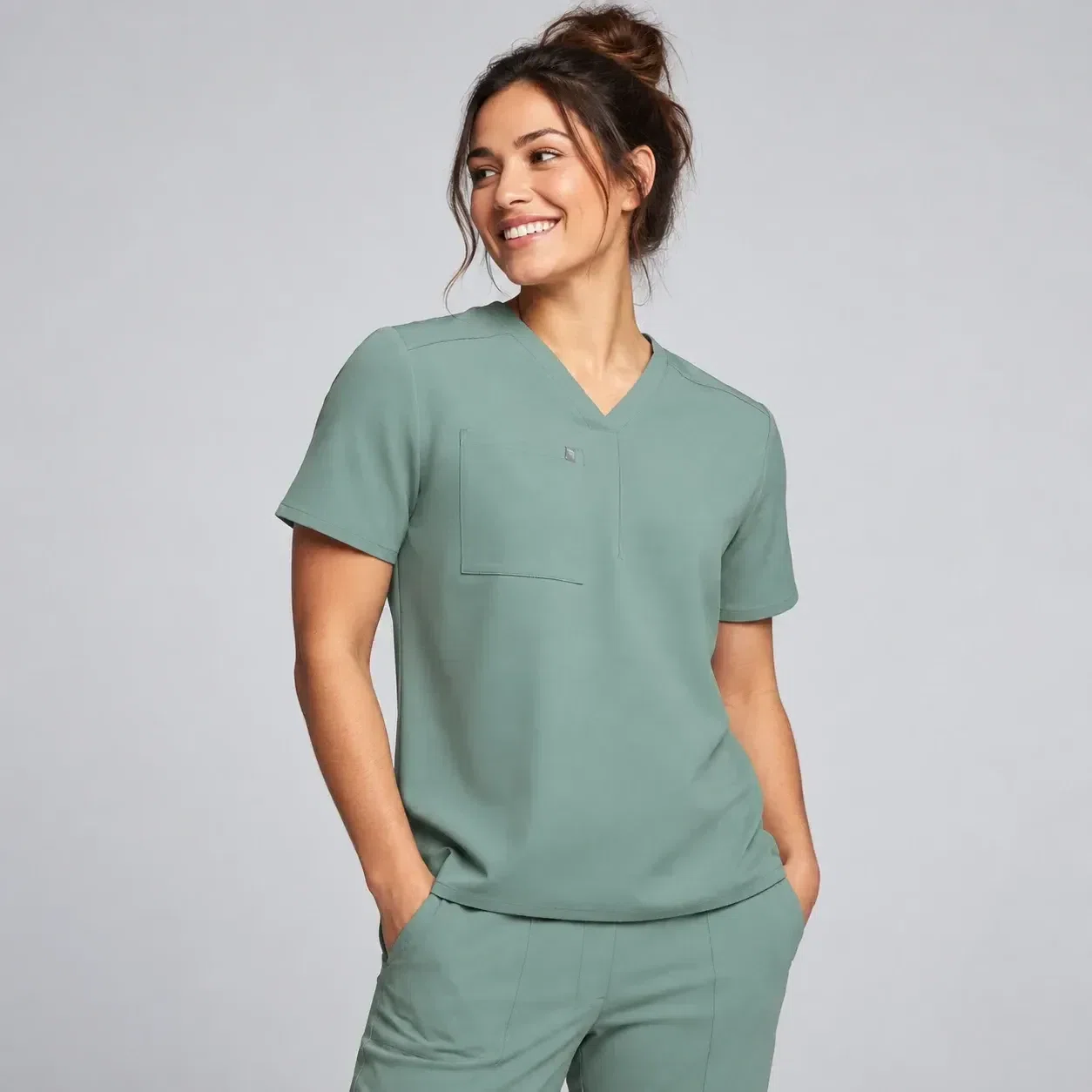
Custom Medical Scrubs
MOQ: 20 pieces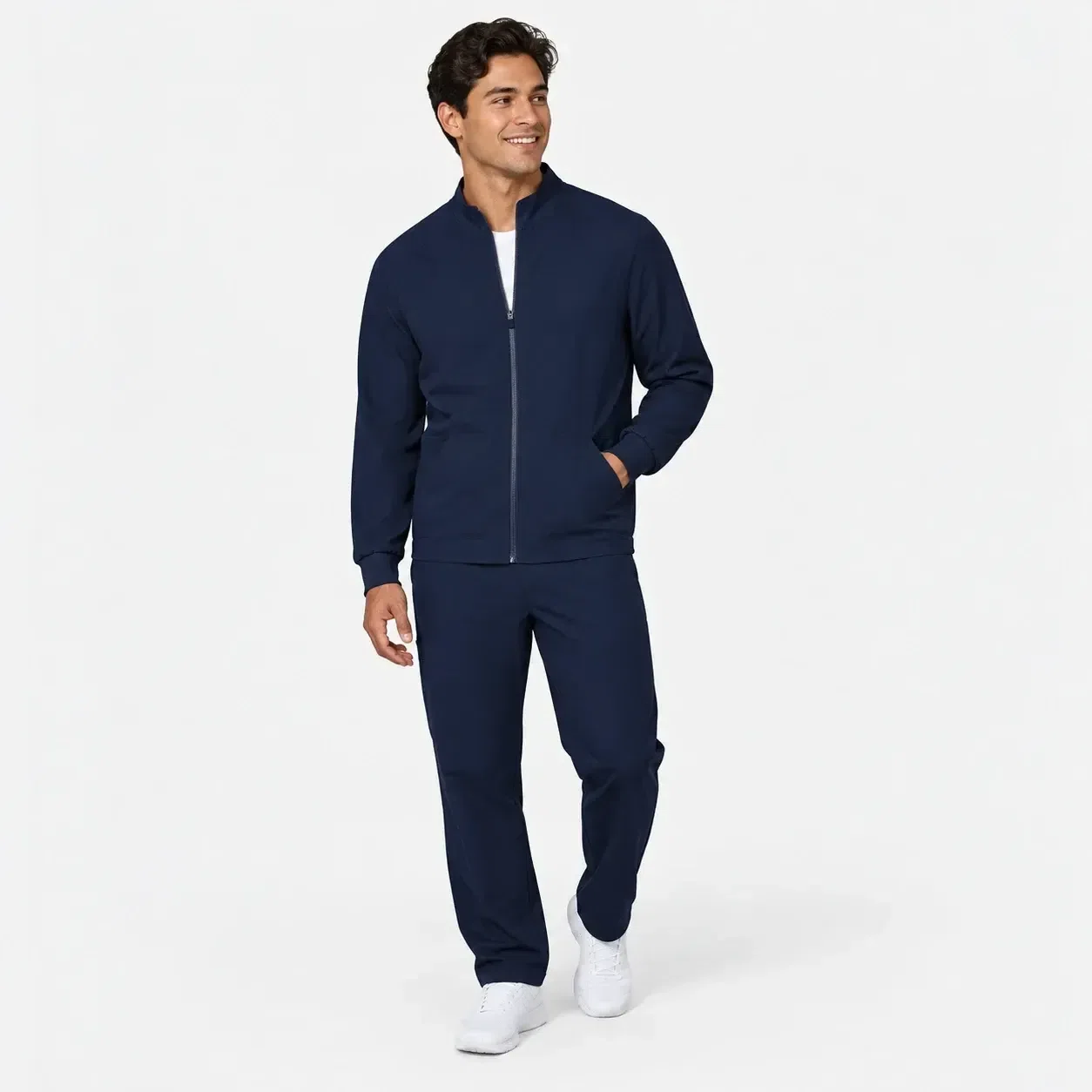
Custom Medical Jackets
MOQ: 20 pieces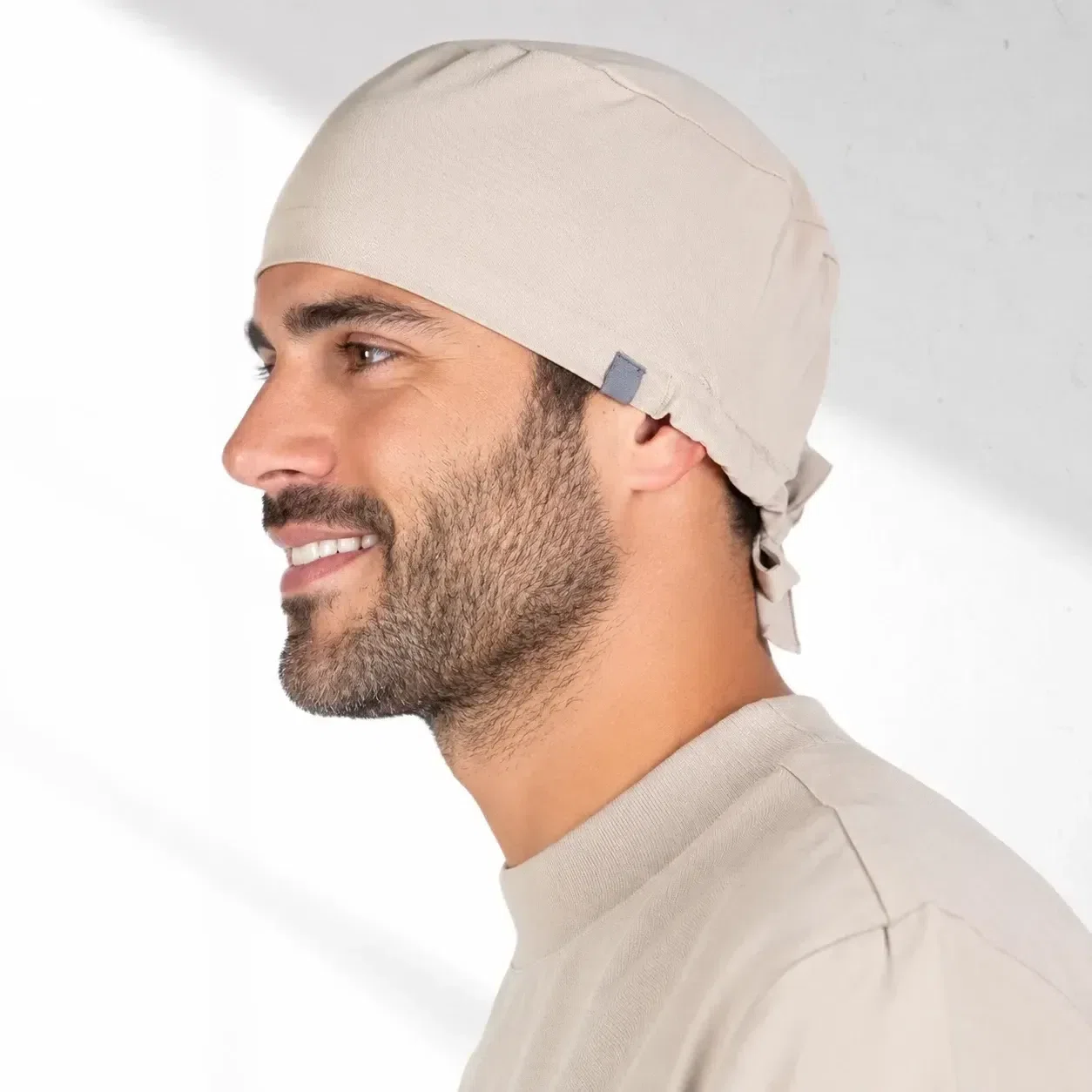
Custom Surgical Caps
MOQ: 20 pieces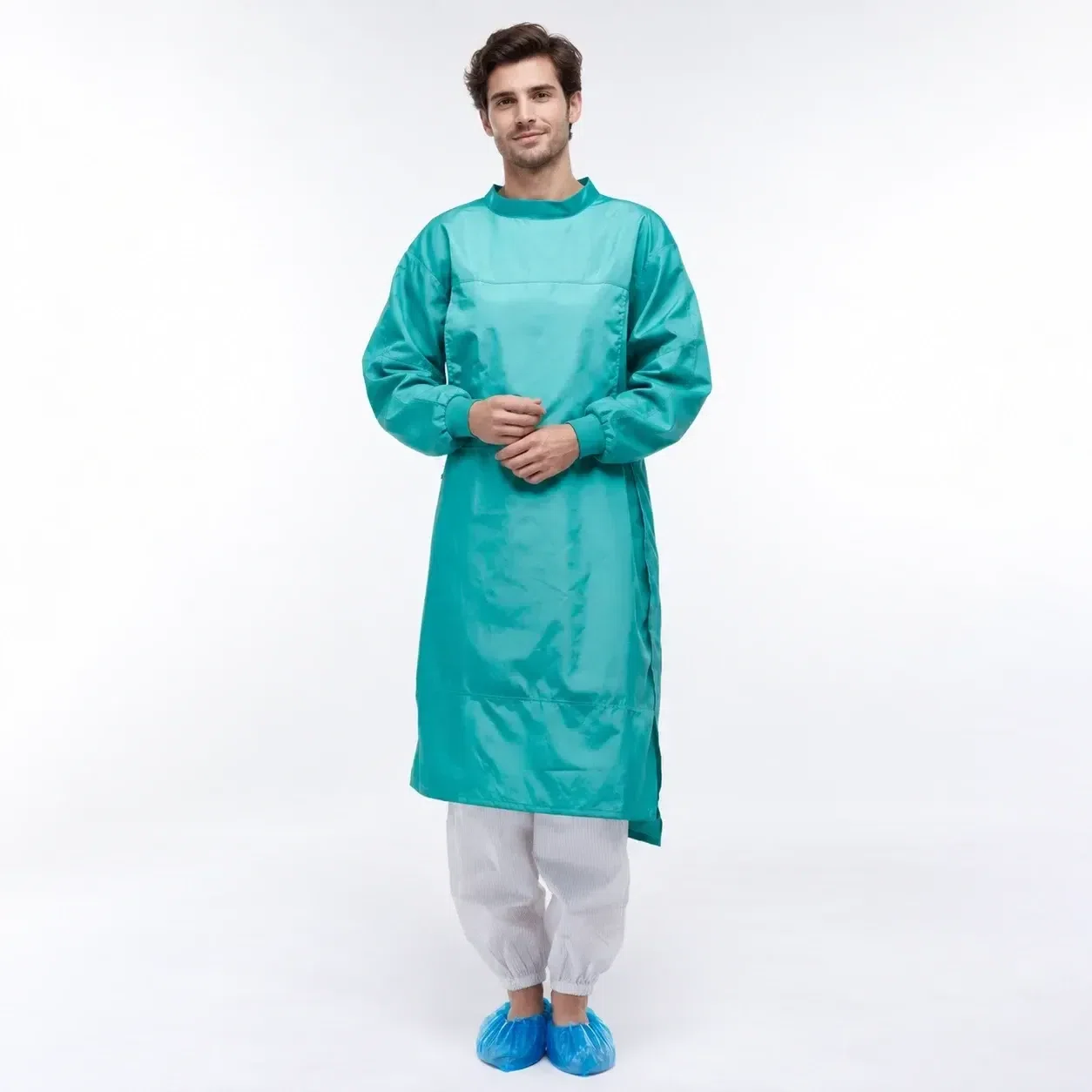
Custom Isolation Gowns
MOQ: 20 pieces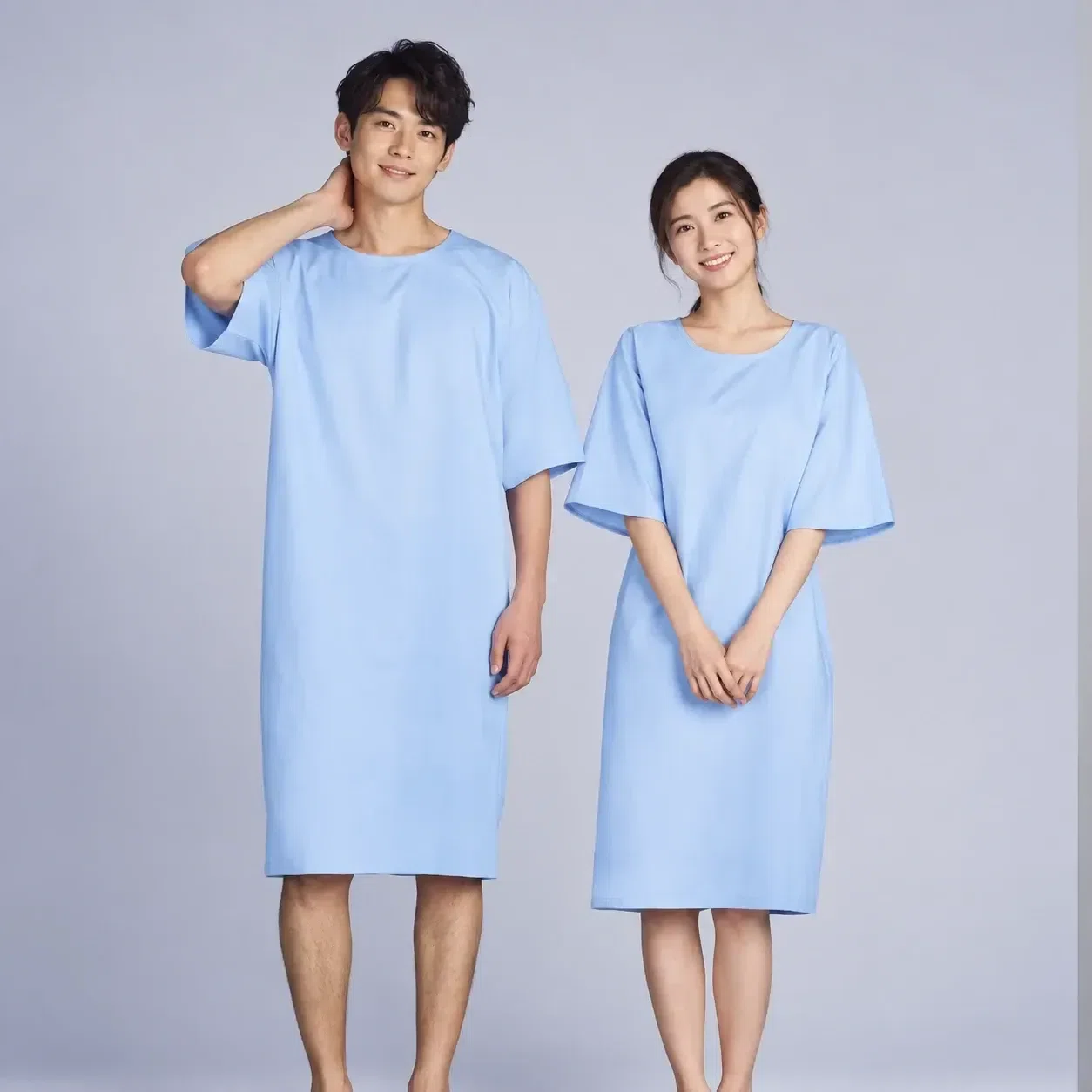
Custom Patient Gowns
MOQ: 20 pieces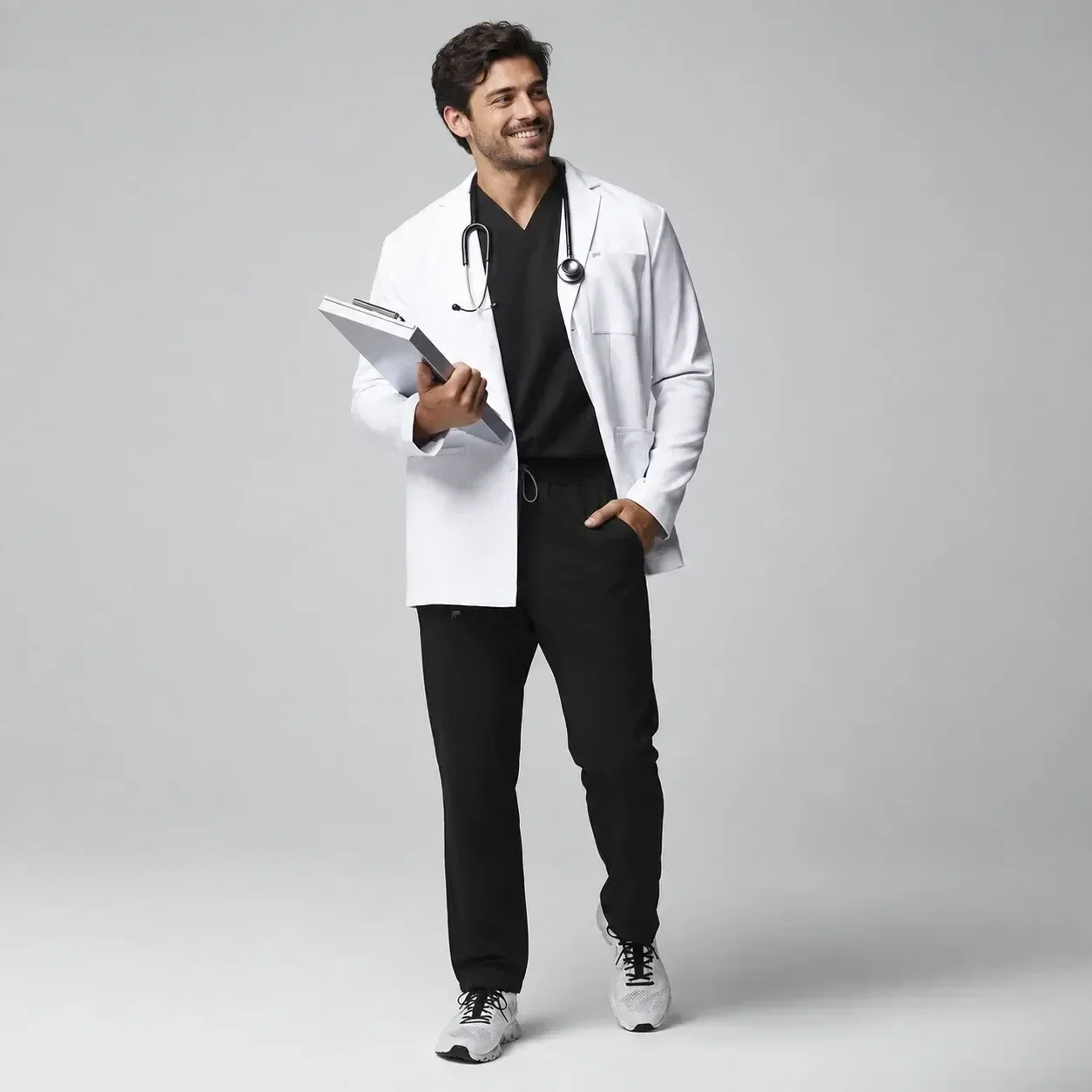
Custom Lab Coats
MOQ: 20 pieces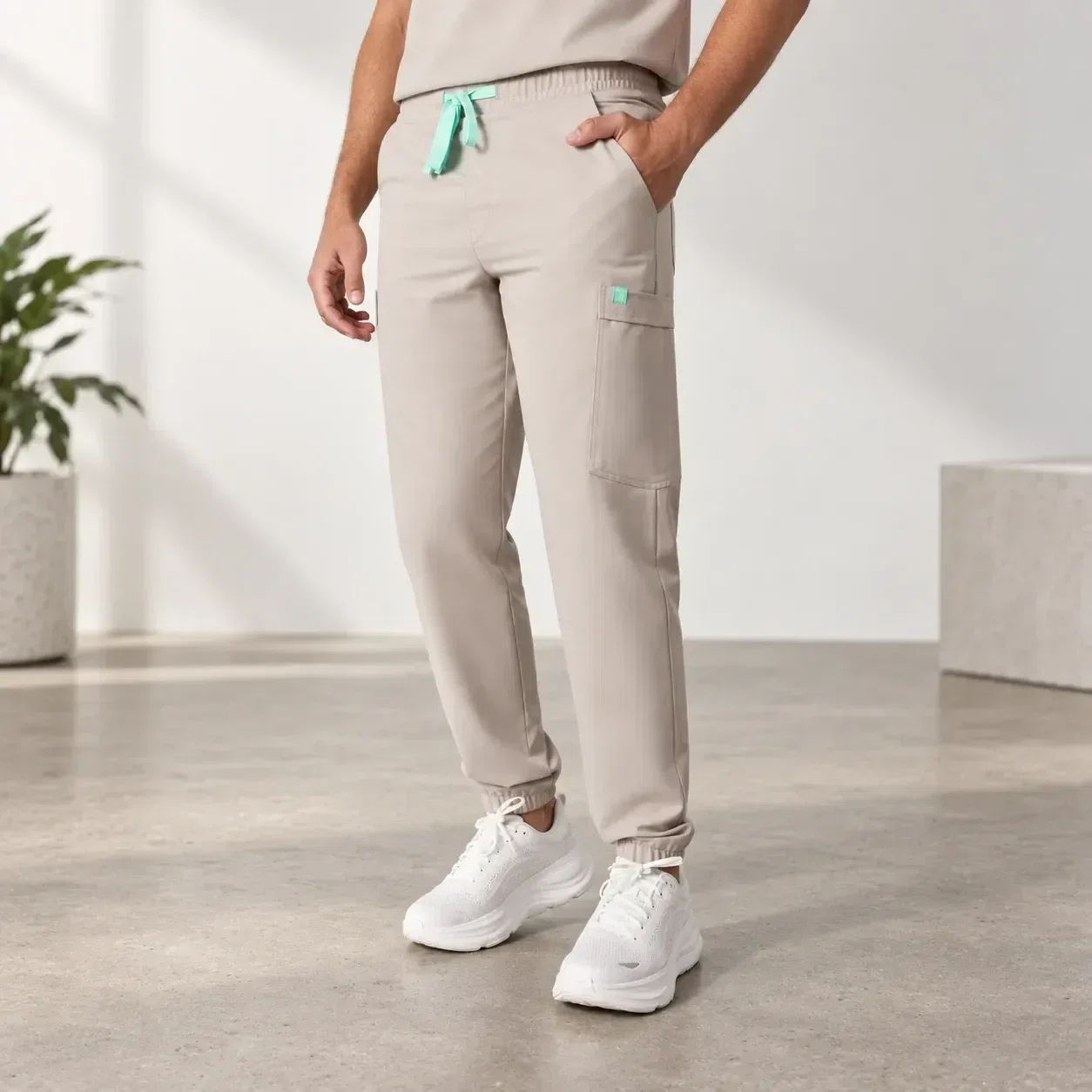
Custom Scrub Pants
MOQ: 20 pieces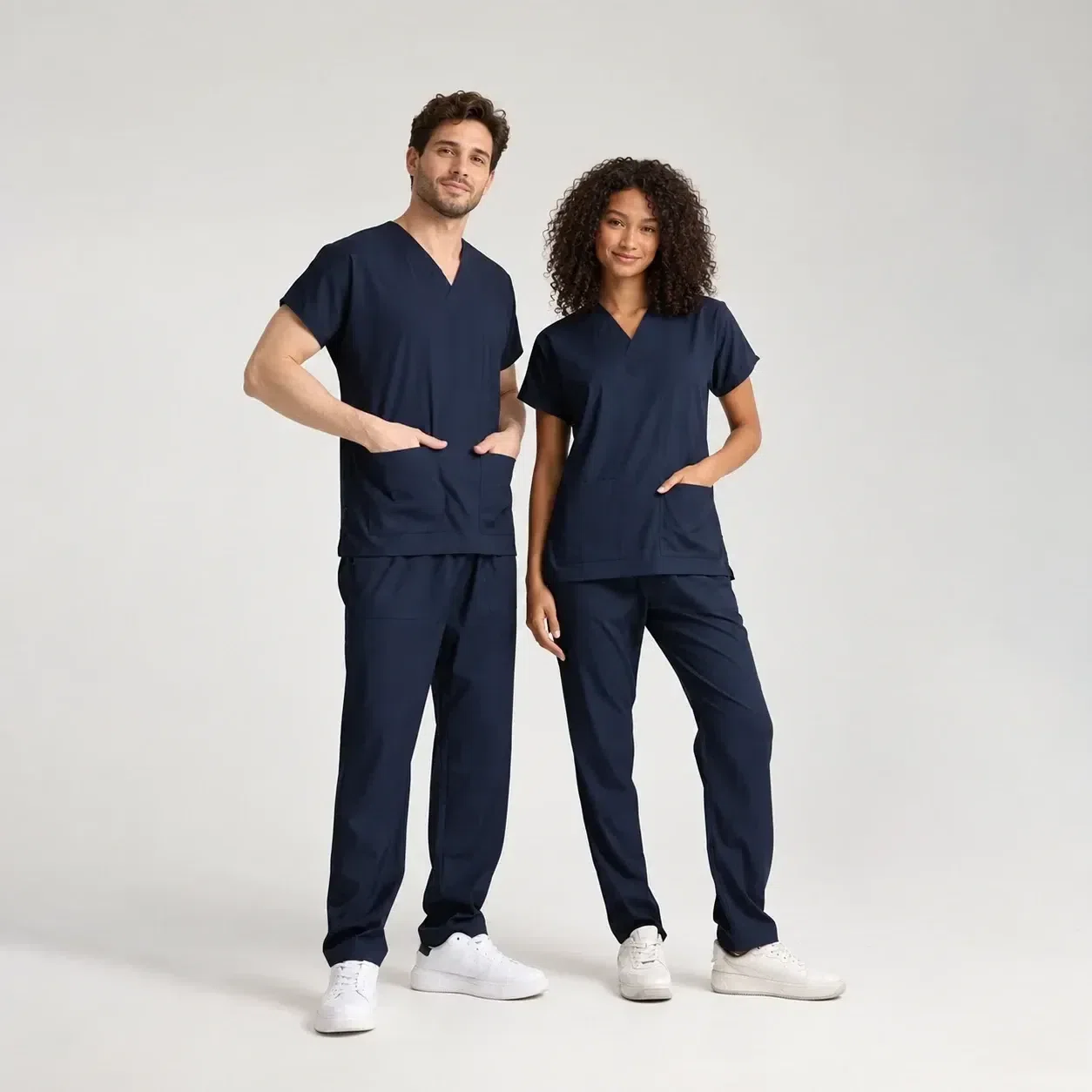
Custom Nurse Scrubs
MOQ: 20 piecesStart With the Intended Use
Describe the proposed task, wearer group and required evidence before choosing visual details. Ask your designated reviewers to identify applicable requirements and keep unanswered suitability questions open throughout the enquiry.
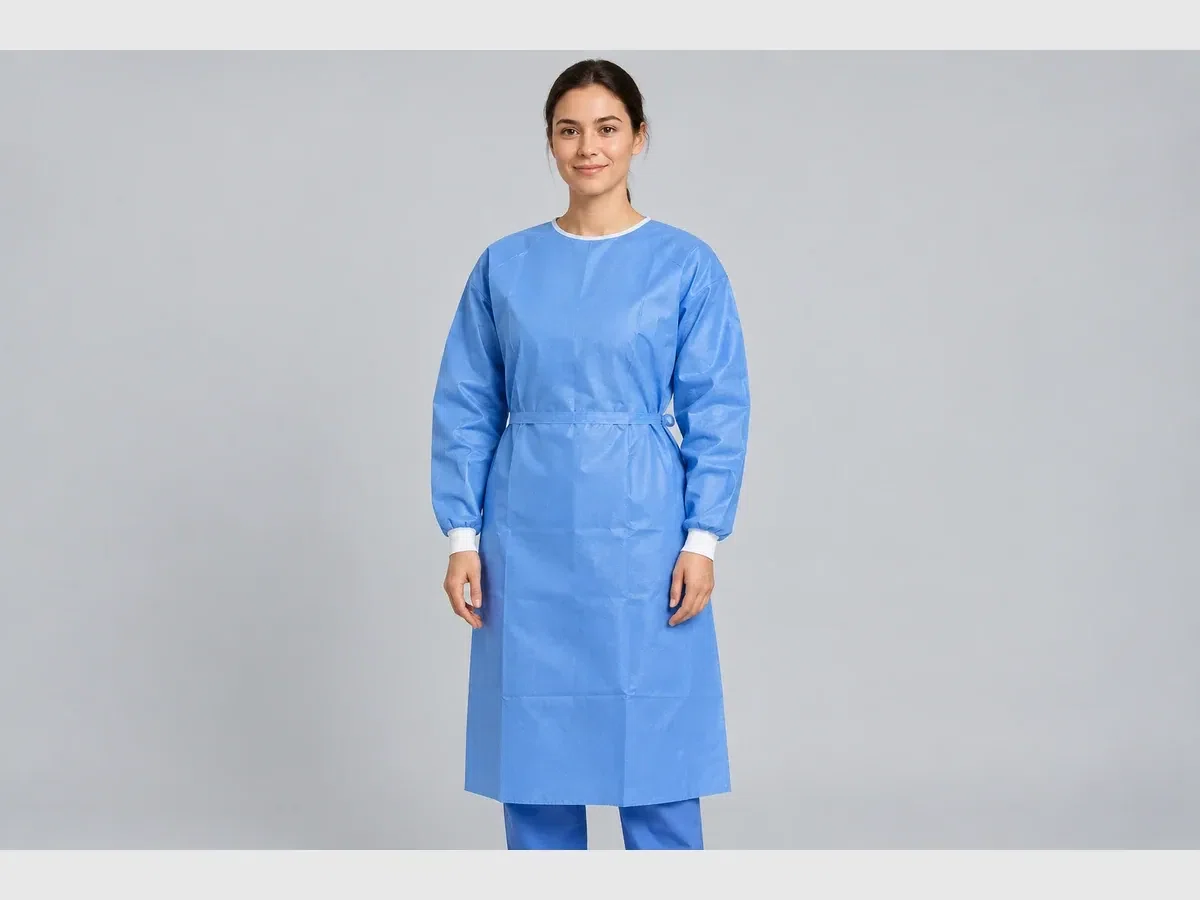
Check Fit and Construction Requests
Submit requested measurements, sleeve details and fastening preferences for review. Compare size charts and fit observations separately from protective performance, and ask the supplier to confirm the specific construction it can provide.
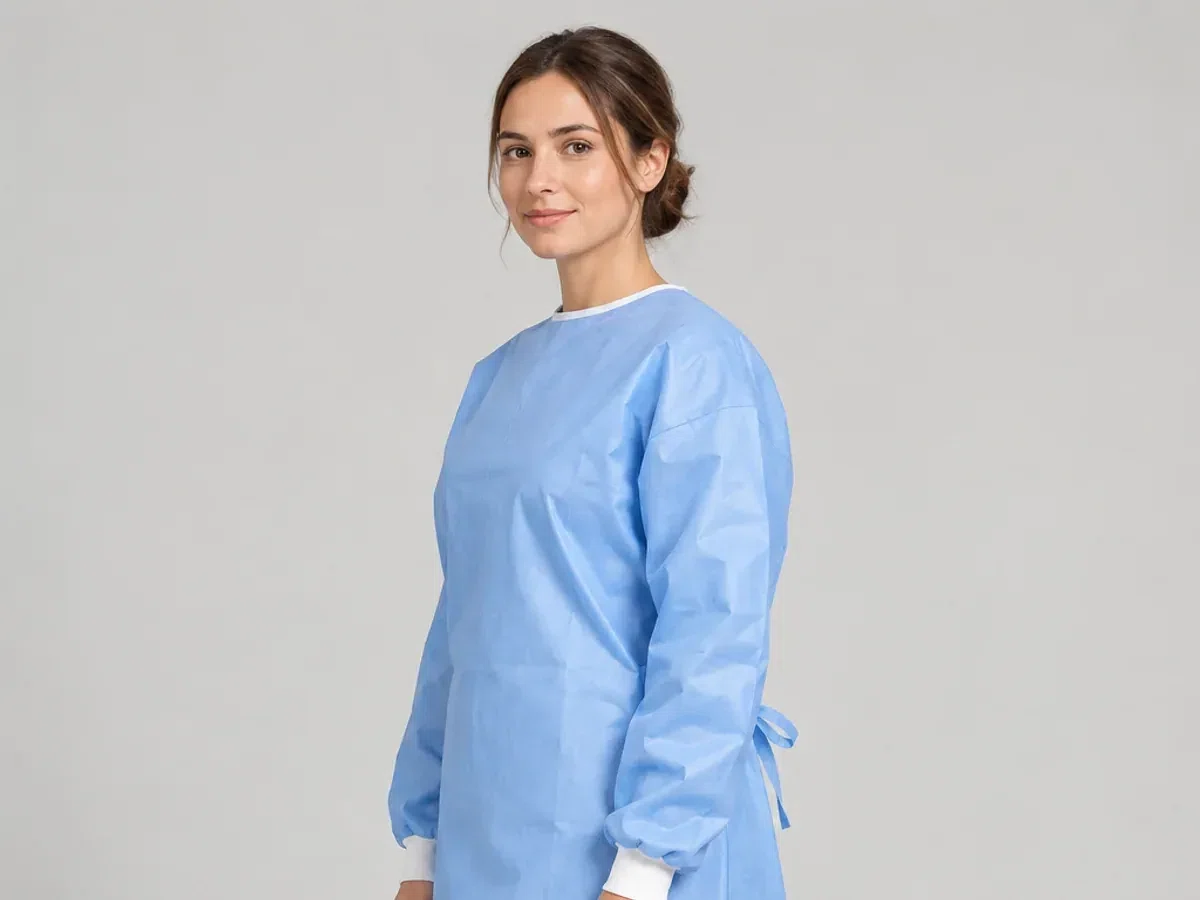
Keep Two Approval Records
Record artwork approval separately from technical acceptance. Name the people responsible for each decision and retain the supporting documents, so a correct logo preview cannot substitute for evidence of suitability.
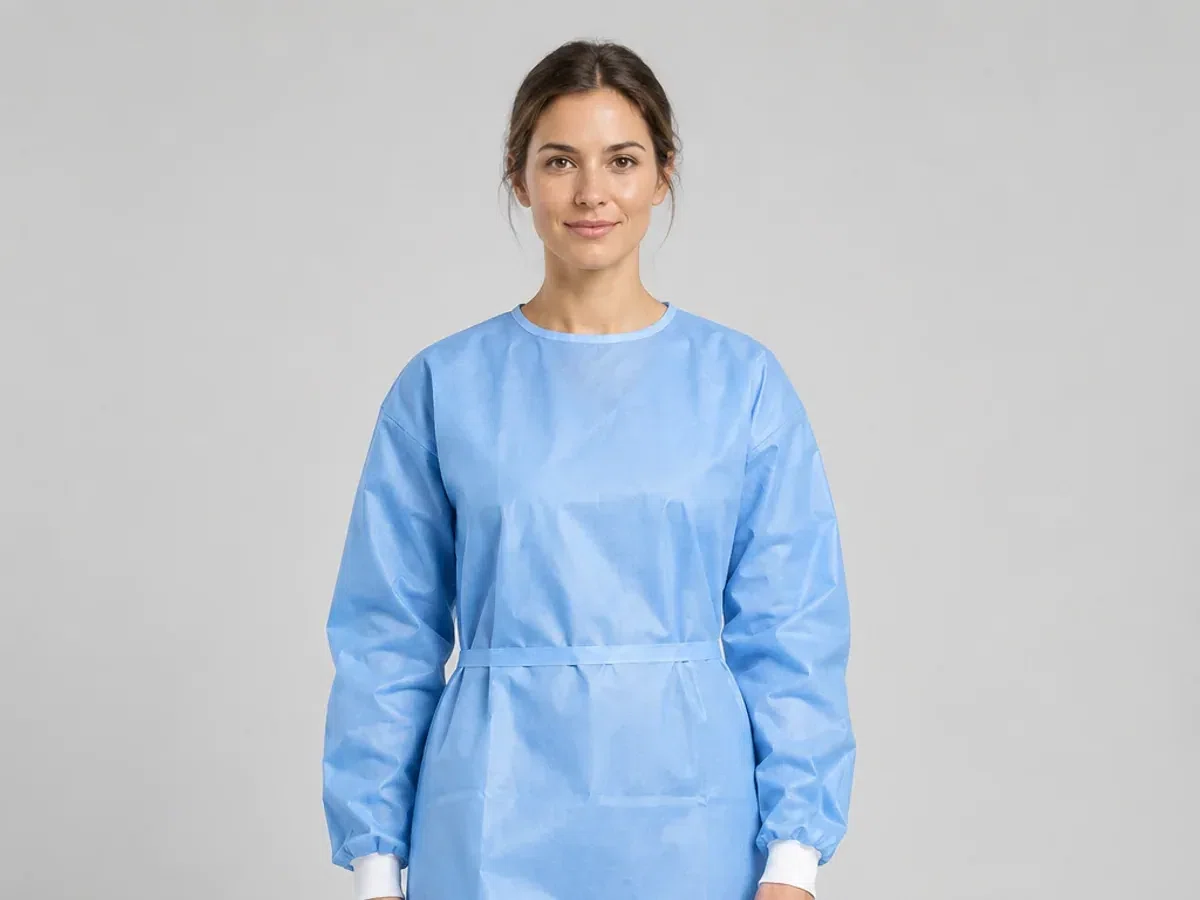
Why Masswear Uniform for custom uniforms?
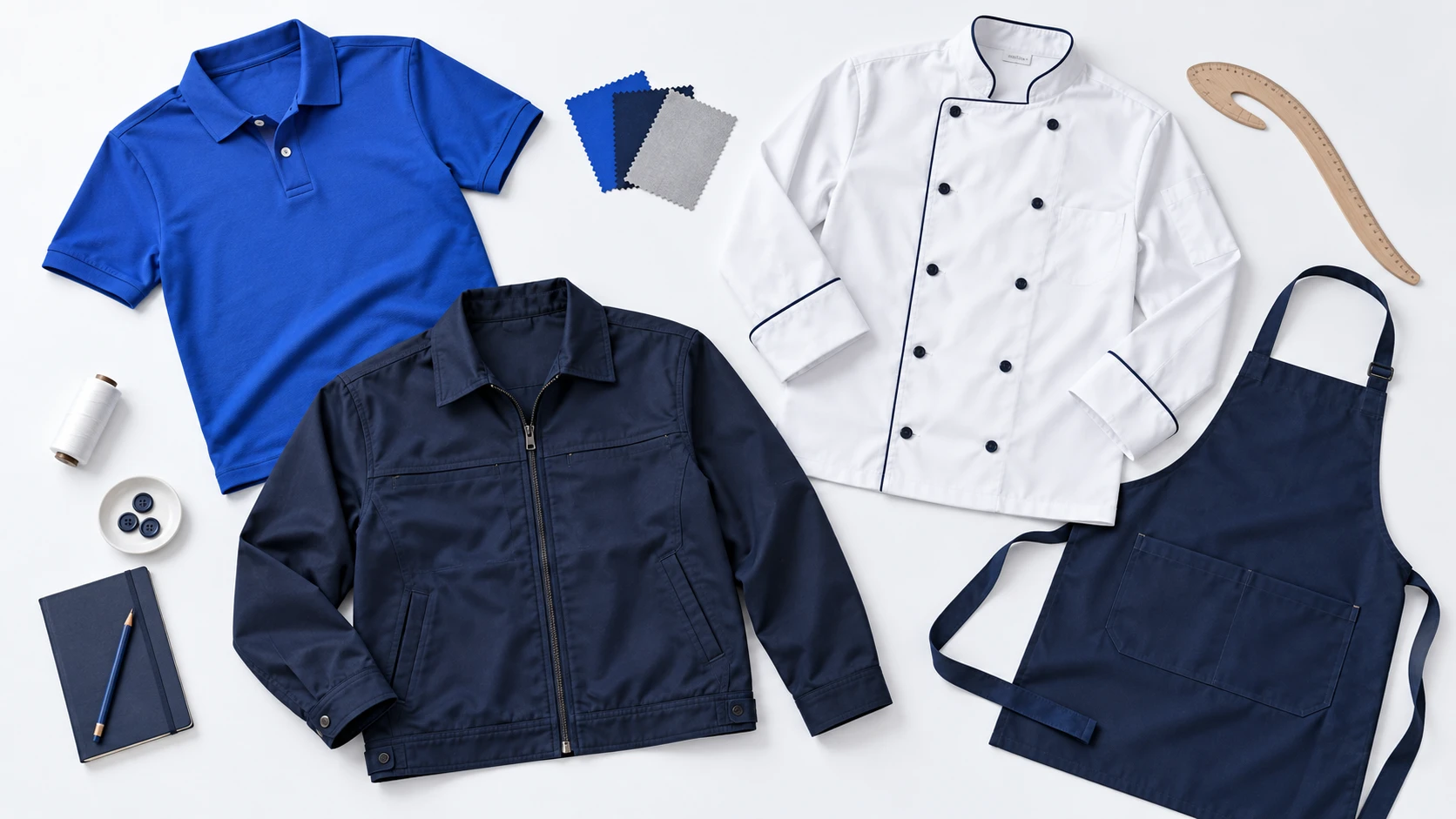
Custom uniforms, considered from the first sketch to the final stitch.
Your idea. Made into a uniform.
Your colours, your fit, your identity. We turn your brief into custom uniforms made for your team.
Make every detail yours.
Embroidery, print and woven labels — considered finishing touches that put your brand front and centre.
A better fit, in every size.
Careful pattern making and grading keep the fit consistent across your whole size range.
Made for a team. Ready to scale.
Consistent sizing, stitching and finish, from your first order to the next. Minimum order varies by product.
The right fabric makes a difference.
Durable, comfortable fabrics, selected around how your team moves, works and wears its uniform.
Care at every step.
From fabric checks to the final inspection, a structured quality process keeps every detail in focus.
From our hands to your team.
Worldwide shipping with tracking, so you can follow your uniforms from dispatch to delivery.
Ready to Outfit Your Team?
From healthcare to hospitality, we deliver premium custom uniforms tailored to your brand. Get a personalised quote, no commitment required.
Flexible minimums
Minimum order varies by product
Free design help
Our team preps your artwork
Clear turnaround
Confirmed with your quote
Support Mon – Sun, 24/7. We usually reply within minutes.
Frequently Asked Questions
Find answers to common questions about our products.
Does this page establish a protective gown classification?
What details should our team provide for gown sizing?
Can we request logos or individual identification details?
Can we assume that these gowns support repeated clinical use?
How should we plan quantities and delivery timing?
Explore Custom Surgical Gowns for Procurement Specification Review by country
Explore Custom Surgical Gowns for Procurement Specification Review and related industry information for your destination. Choose a country from the map or the list.