
Bamboo
Bamboo fabric descriptions need careful reading because the plant source does not tell buyers the complete fibre composition or performance. Many products use regenerated cellulose, so ask for the actual textile specification before considering comfort or environmental claims. Middle East uniform teams can use this guide to assess samples, coverage and laundering without assuming antibacterial properties. Discuss compatible staff garment options with Masswear Uniform, then confirm composition, finish and supporting evidence for the material you plan to order.
Bamboo fabric requests often begin with a desire for softness or a more considered material choice. For Middle East uniform buyers, the next step should establish what the textile actually contains. The plant source, fibre processing route, blend and finished construction describe different parts of the product. Ask for those details before approving claims or choosing a staff garment.
Assessing Bamboo Fabric Composition And Supplier Claims
Many textiles with this plant in their marketing description contain viscose or another regenerated cellulose fibre. That differs from simply turning the plant directly into an unchanged textile. Request the exact fibre name and percentages, and keep the documentation with your sample. A familiar label should not replace the composition in the order specification.
Separate Softness From Functional Evidence
A smooth hand feel can make a swatch appealing, but it does not establish antibacterial action, rapid drying or suitability for every wearer. Ask for relevant evidence if your procurement brief requires a specific function. Treat environmental and performance statements as claims to substantiate, rather than conclusions that follow automatically from the plant source.
Do not describe an ordinary uniform as a protective garment through its fibre label. Where your workplace needs a tested function, define the requirement separately and request appropriate documentation for the finished product. This approach keeps material preferences distinct from the evidence your buying team needs to approve a functional claim.
Evaluate The Finished Garment For Staff
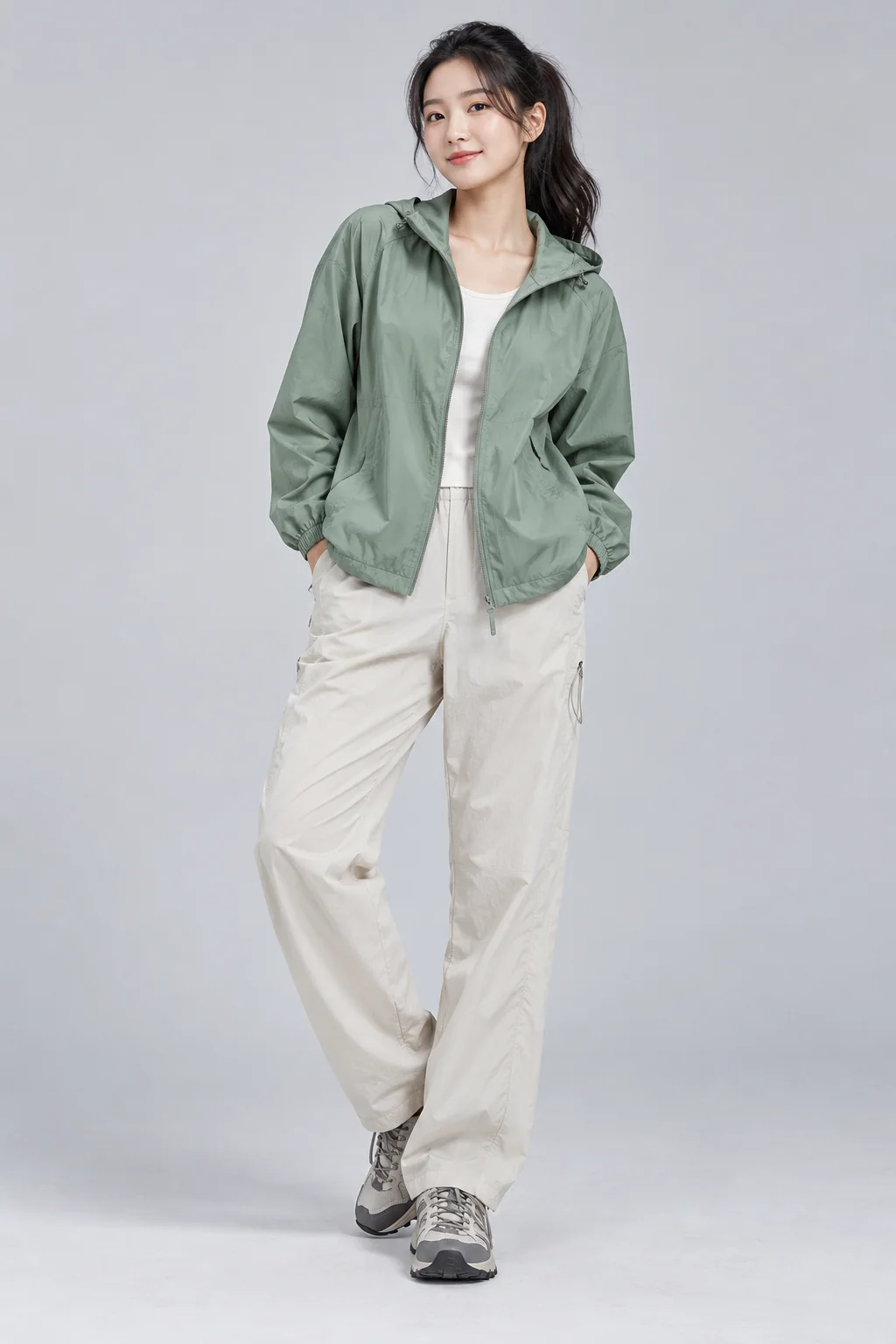
Consider the daily setting, including time outdoors and inside cooled buildings. Ask staff to trial the proposed sample and comment on drape, moisture feel and movement. Review pale shades in daylight and check how the fabric behaves over an underlayer. Softness alone cannot answer whether a blouse or shirt provides the coverage and presentation your team expects.
Different blends and constructions can produce different silhouettes. Compare a loose swatch with the completed garment, inspect shoulder seams and examine the hem after wear. If your team prefers longer sleeves or a fuller cut, include those preferences in the design brief. Do not assume one fit or one fabric weight suits every Middle East workplace.
Discuss Corporate Garment Compatibility
Use women's blouses for staff wardrobe discussions, button down shirts for office programmes and custom polos for coordinated customer-facing clothing as corporate garment references. Ask Masswear Uniform which material options suit each design. These links do not confirm a particular regenerated fibre or blend within the listed garments.
Request decoration trials on the selected cloth. Check whether embroidery backing changes the feel, whether stitching distorts a light surface and whether printed graphics alter drape. Review the decorated sample after cleaning. Keep the approved artwork and fabric reference together so the quotation addresses the application you actually intend to use.
Require Clear Care And Sourcing Information
Follow the proposed care label and inspect a washed trial garment for shape, surface appearance and colour. Compare dimensions before and afterwards. Ask the supplier to clarify any certification or sourcing statement that affects your decision, including its scope and relevance to the exact material. A plant-origin description alone does not establish a verified environmental benefit.
Send the destination, departments, sizes, quantities and garment preferences with your enquiry. Include the cleaning routine and the claims your procurement team needs to verify. Confirm material availability, samples and scheduling for the particular order. Retain the accepted documentation and sample so future purchases preserve both the agreed specification and the limits of its claims.
Clarify your staff fabric specification with Masswear Uniform.
Author: Masswear Uniform.
Frequently Asked Questions
Common questions about Bamboo.
Does a plant-origin fabric automatically have antibacterial properties?
What composition details should our procurement team request?
How do we compare softer fabrics for corporate clothing?
Why Masswear Uniform for custom uniforms?
Custom uniforms, considered from the first sketch to the final stitch.
Your idea. Made into a uniform.
Your colours, your fit, your identity. We turn your brief into custom uniforms made for your team.
Make every detail yours.
Embroidery, print and woven labels — considered finishing touches that put your brand front and centre.
A better fit, in every size.
Careful pattern making and grading keep the fit consistent across your whole size range.
Made for a team. Ready to scale.
Consistent sizing, stitching and finish, from your first order to the next. Minimum order varies by product.
The right fabric makes a difference.
Durable, comfortable fabrics, selected around how your team moves, works and wears its uniform.
Care at every step.
From fabric checks to the final inspection, a structured quality process keeps every detail in focus.
From our hands to your team.
Worldwide shipping with tracking, so you can follow your uniforms from dispatch to delivery.