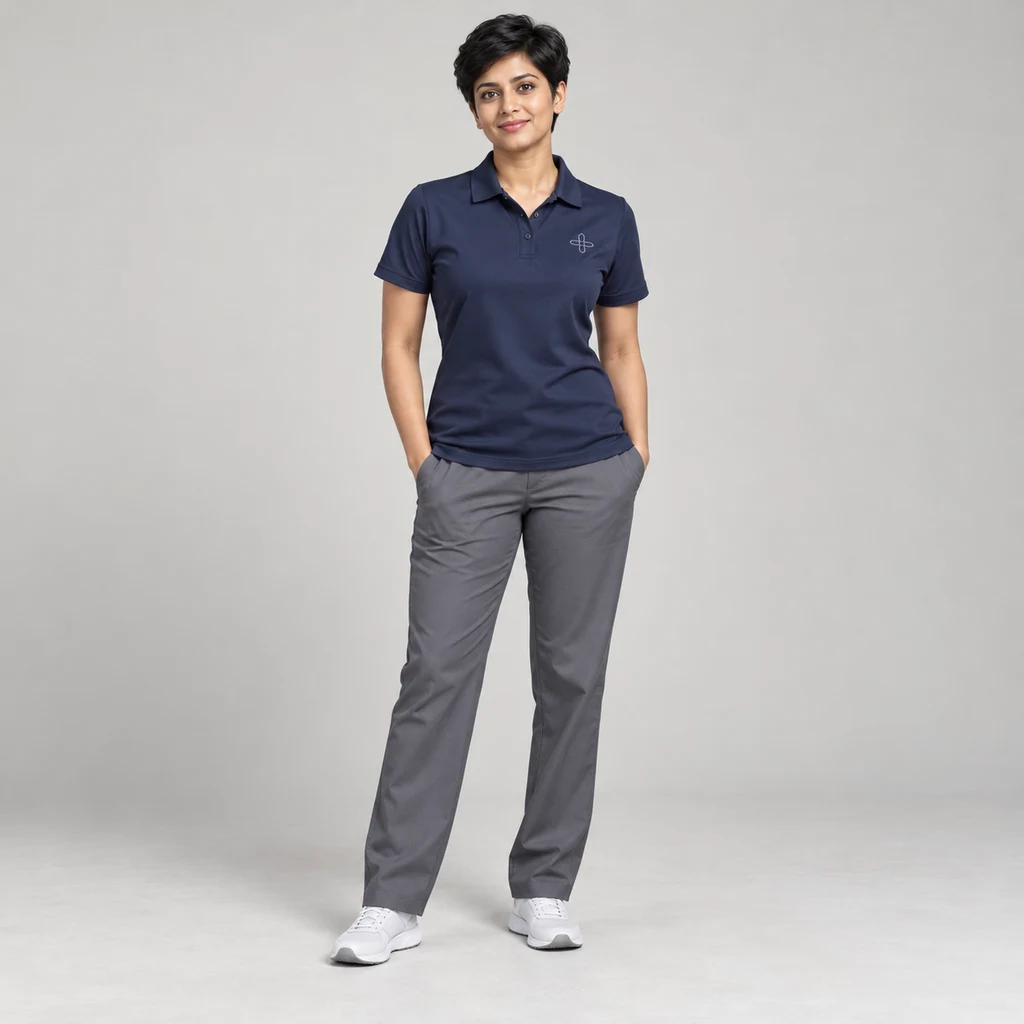
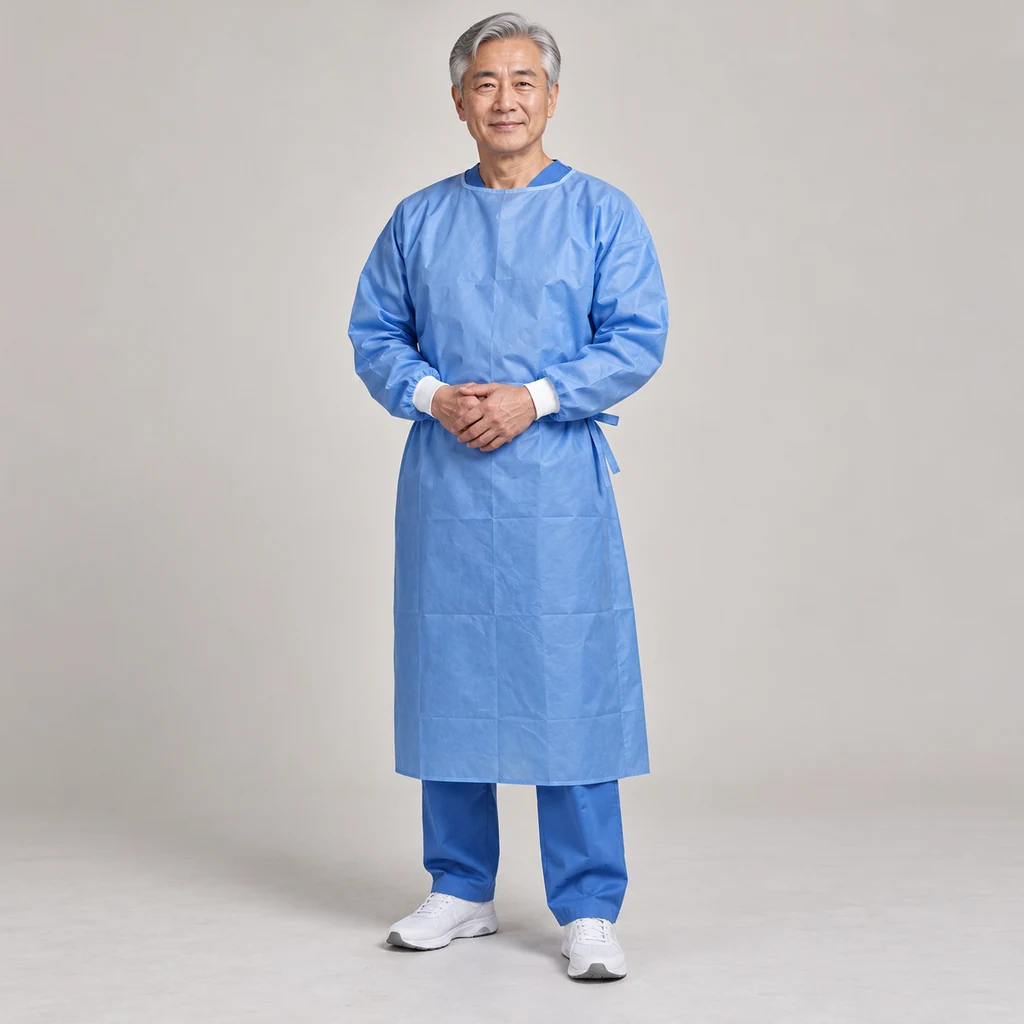
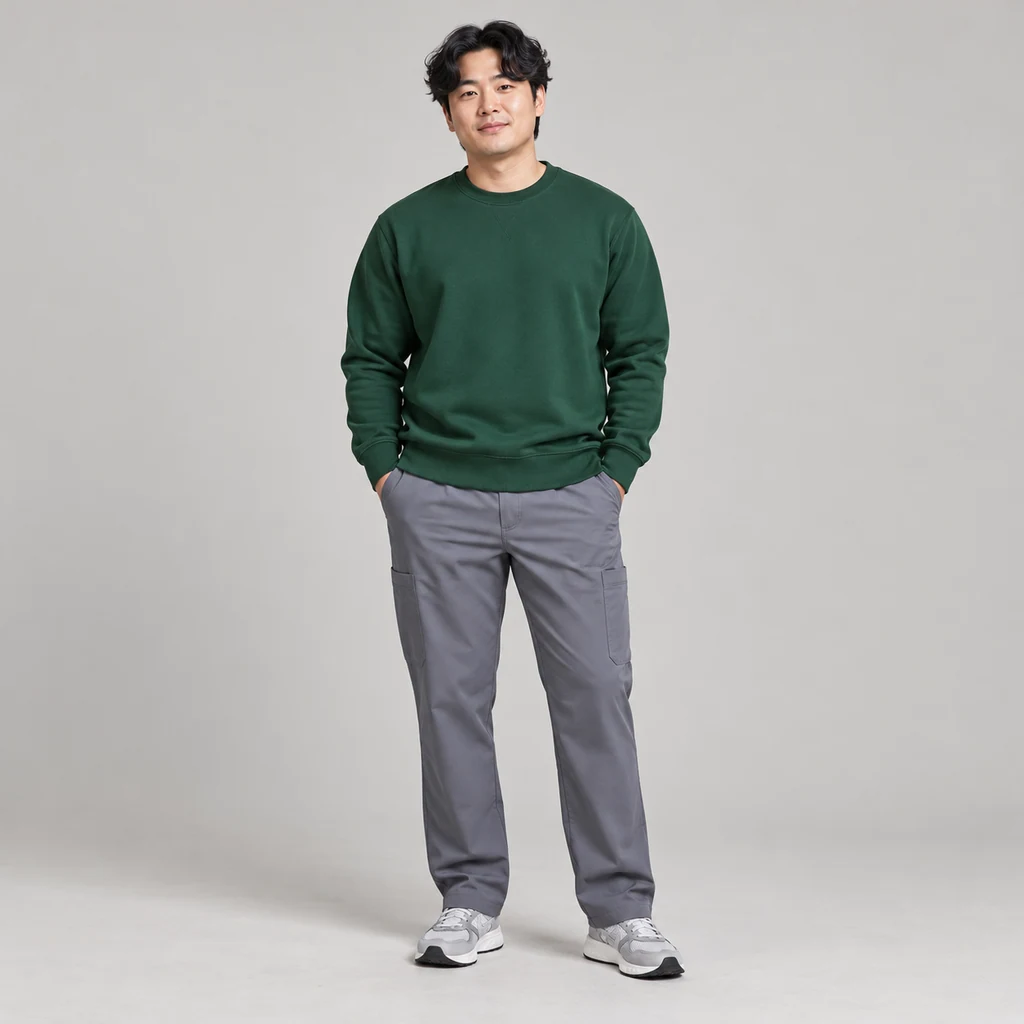
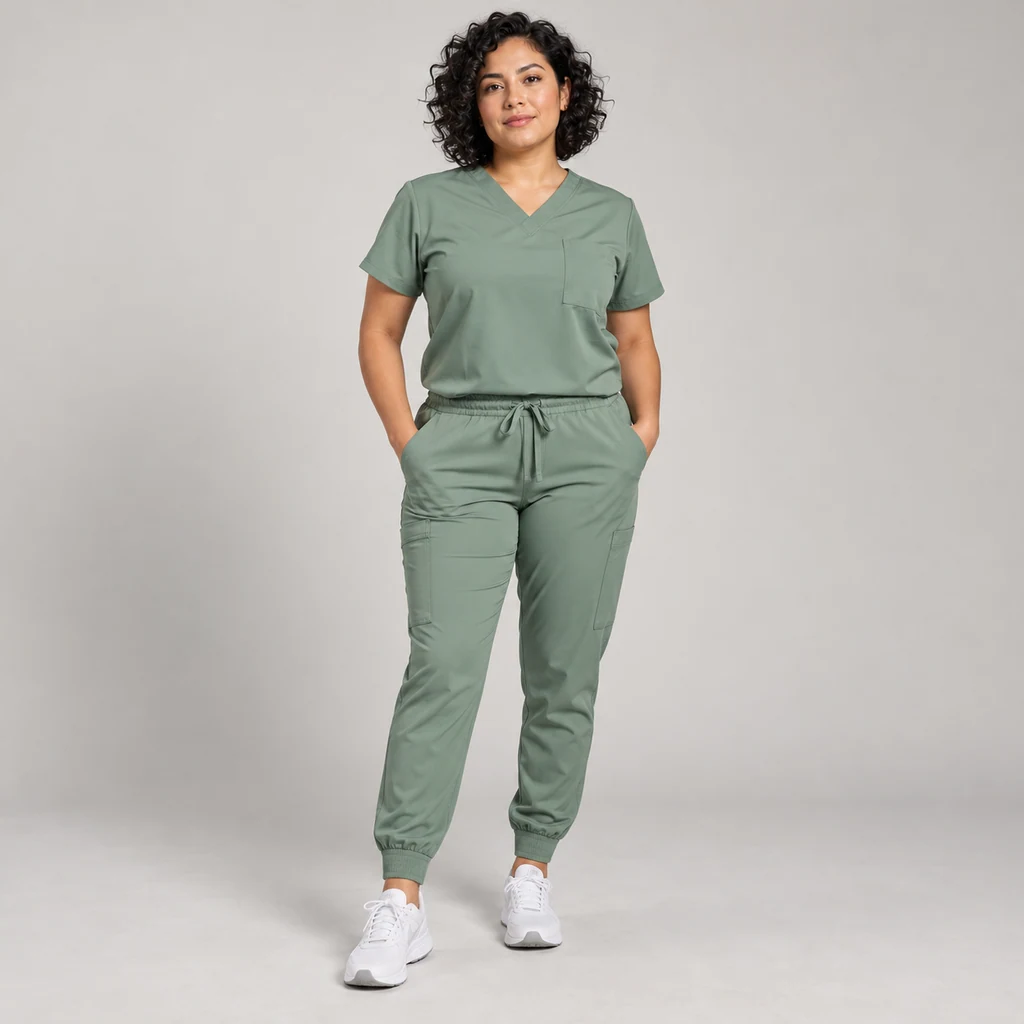
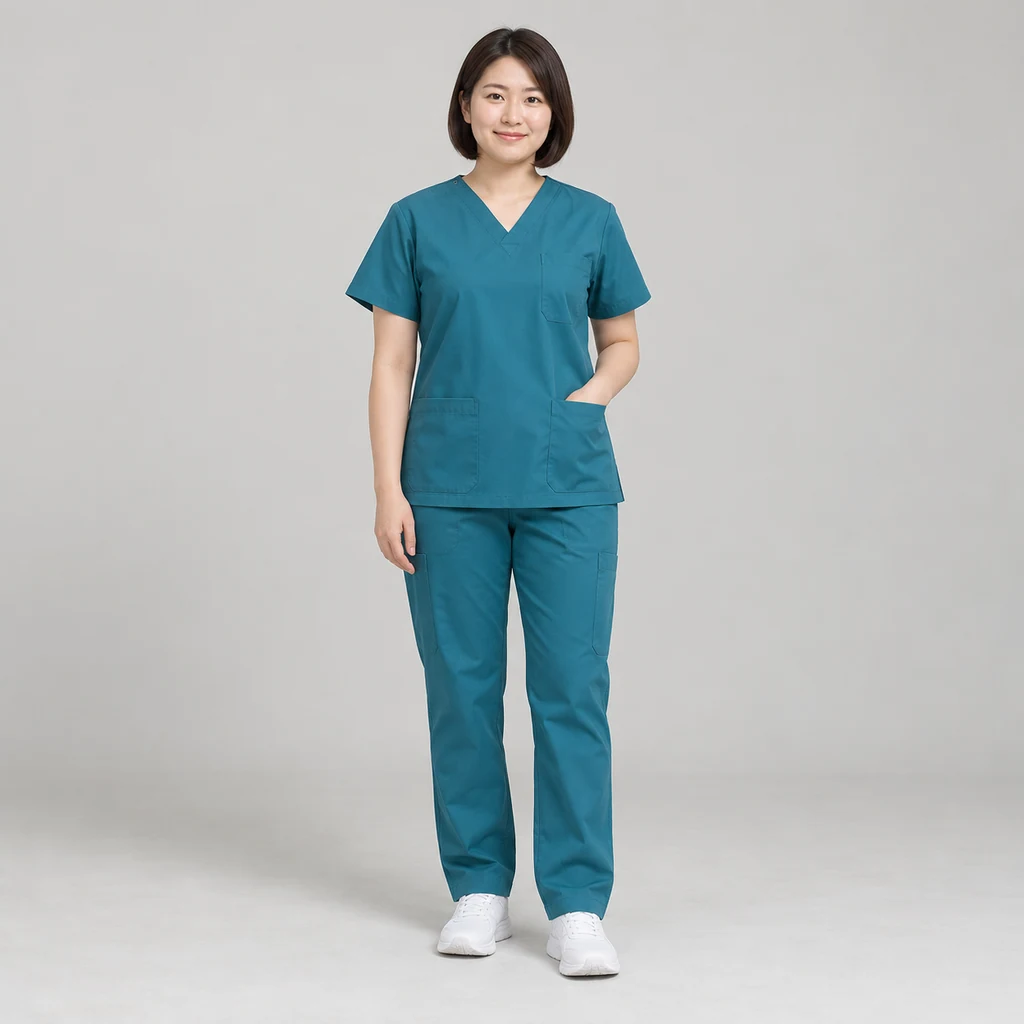
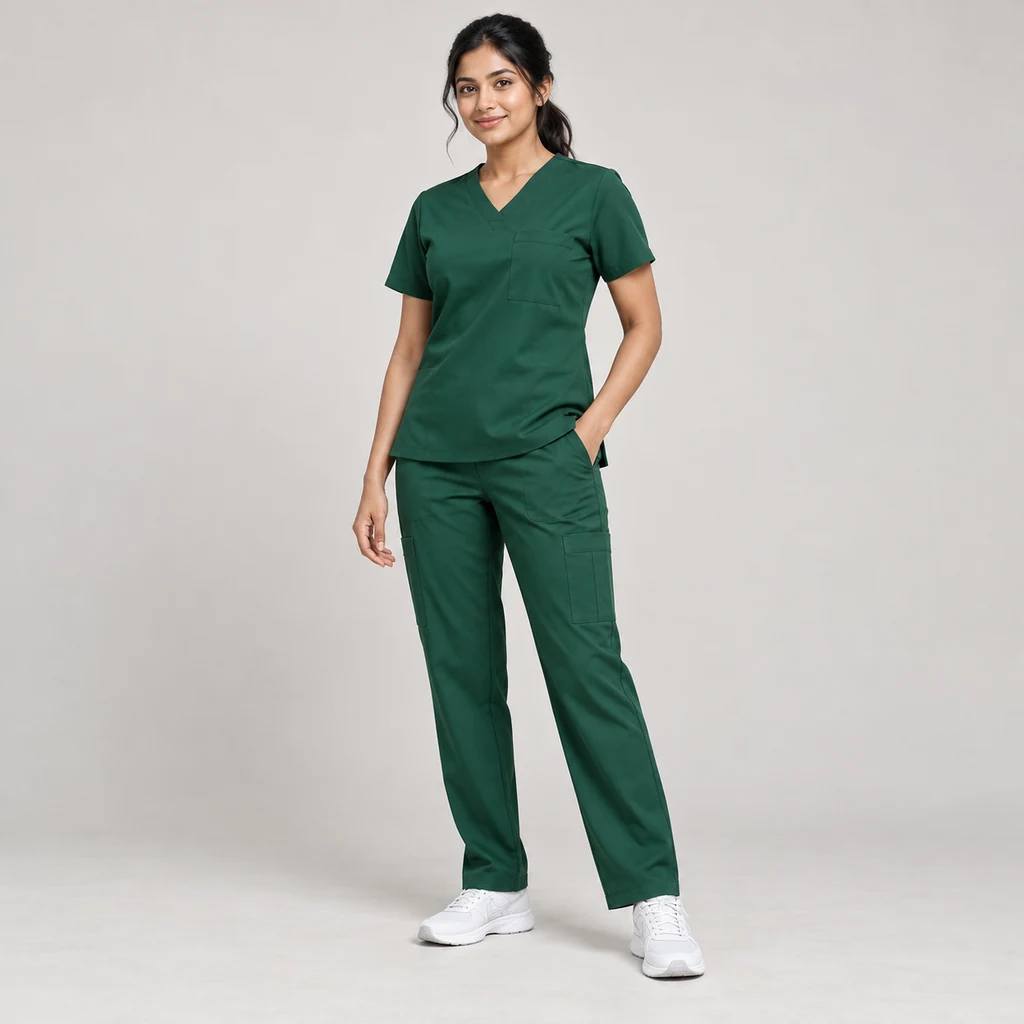
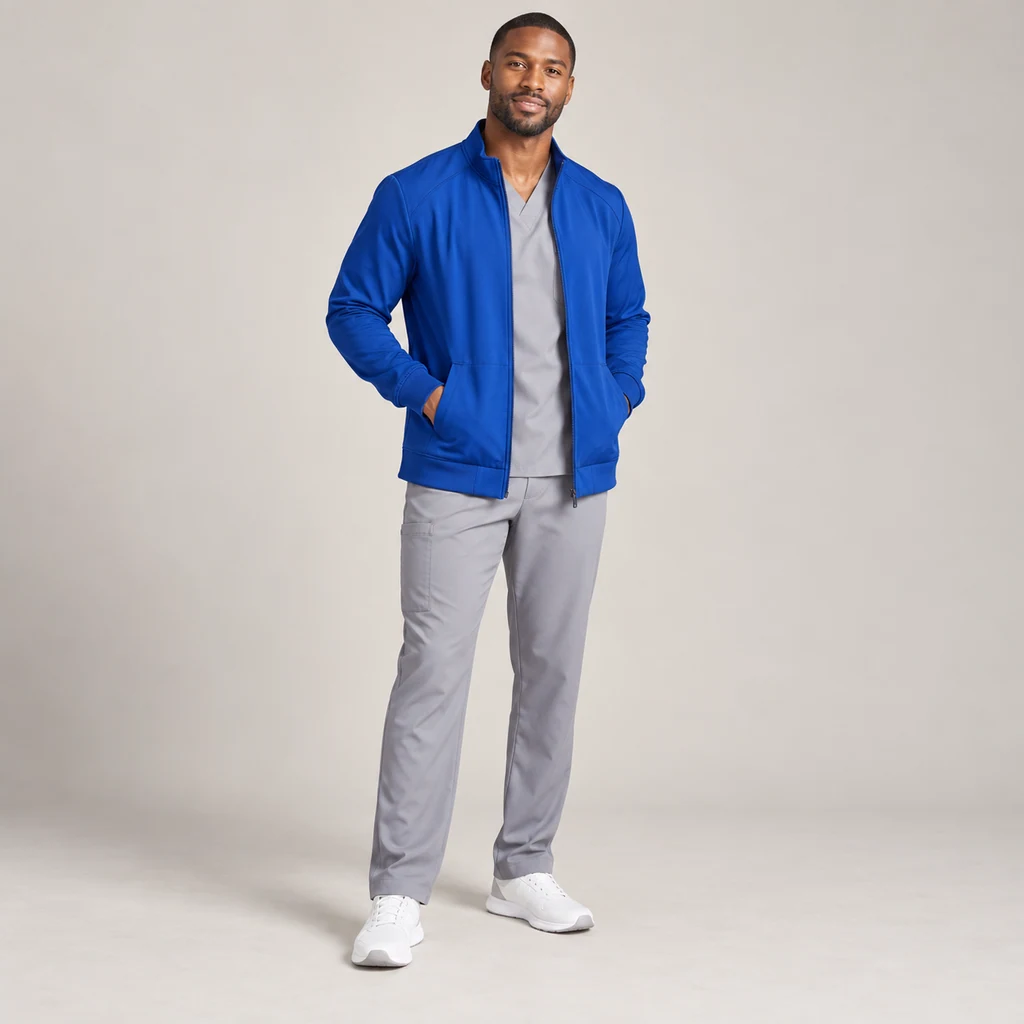
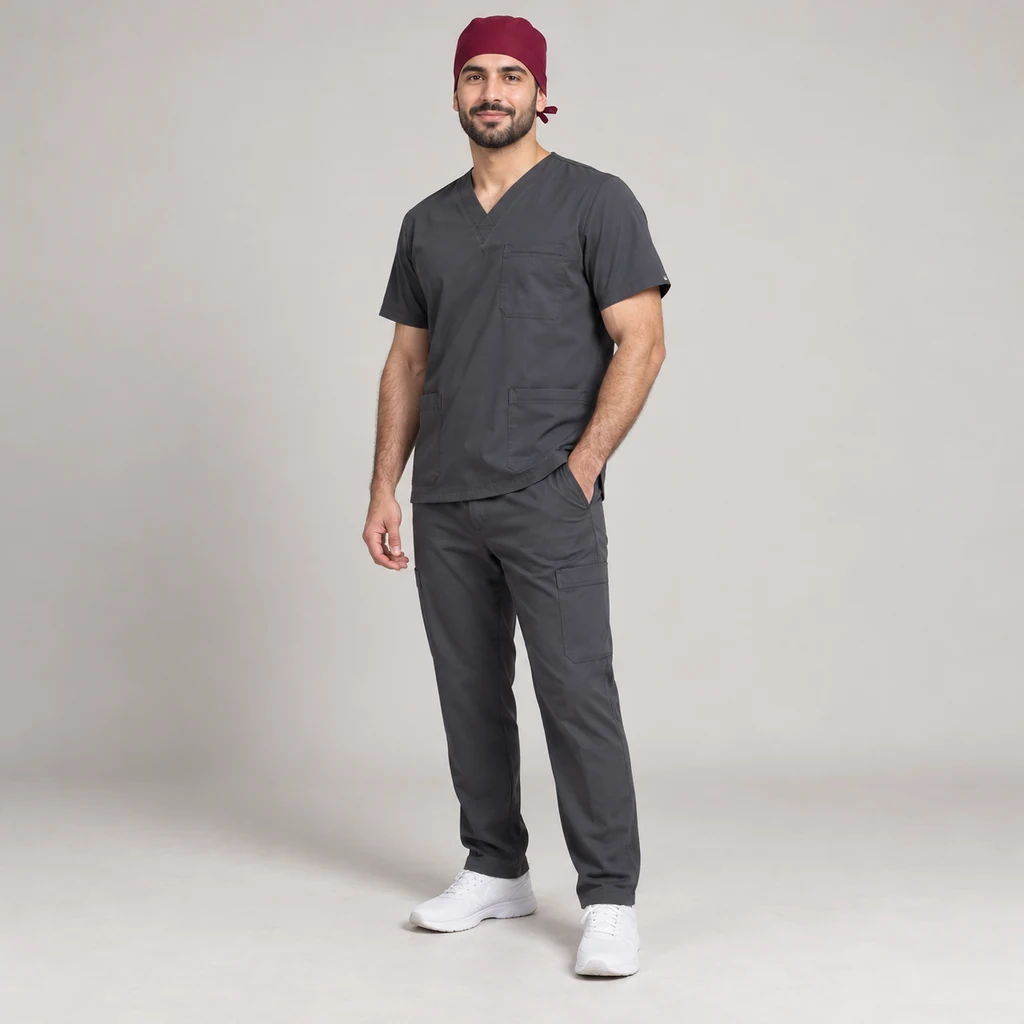
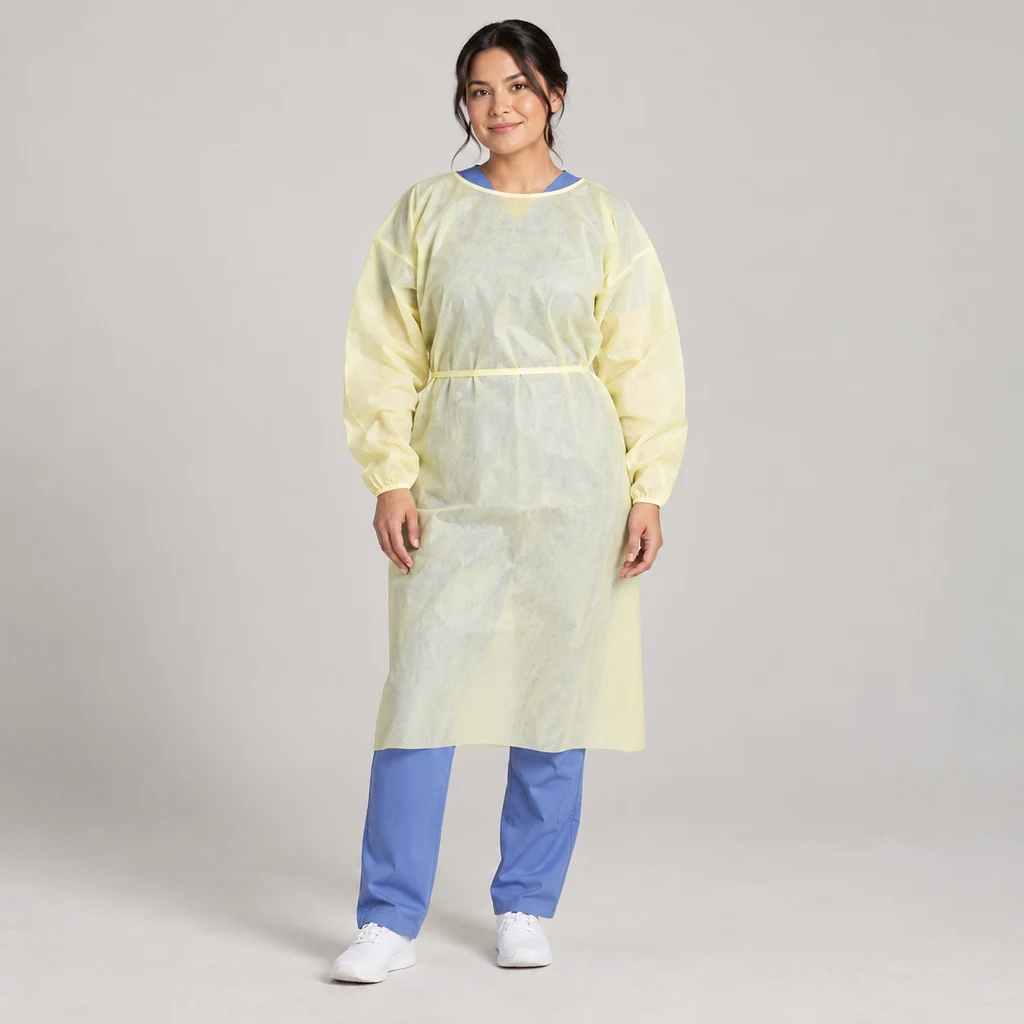
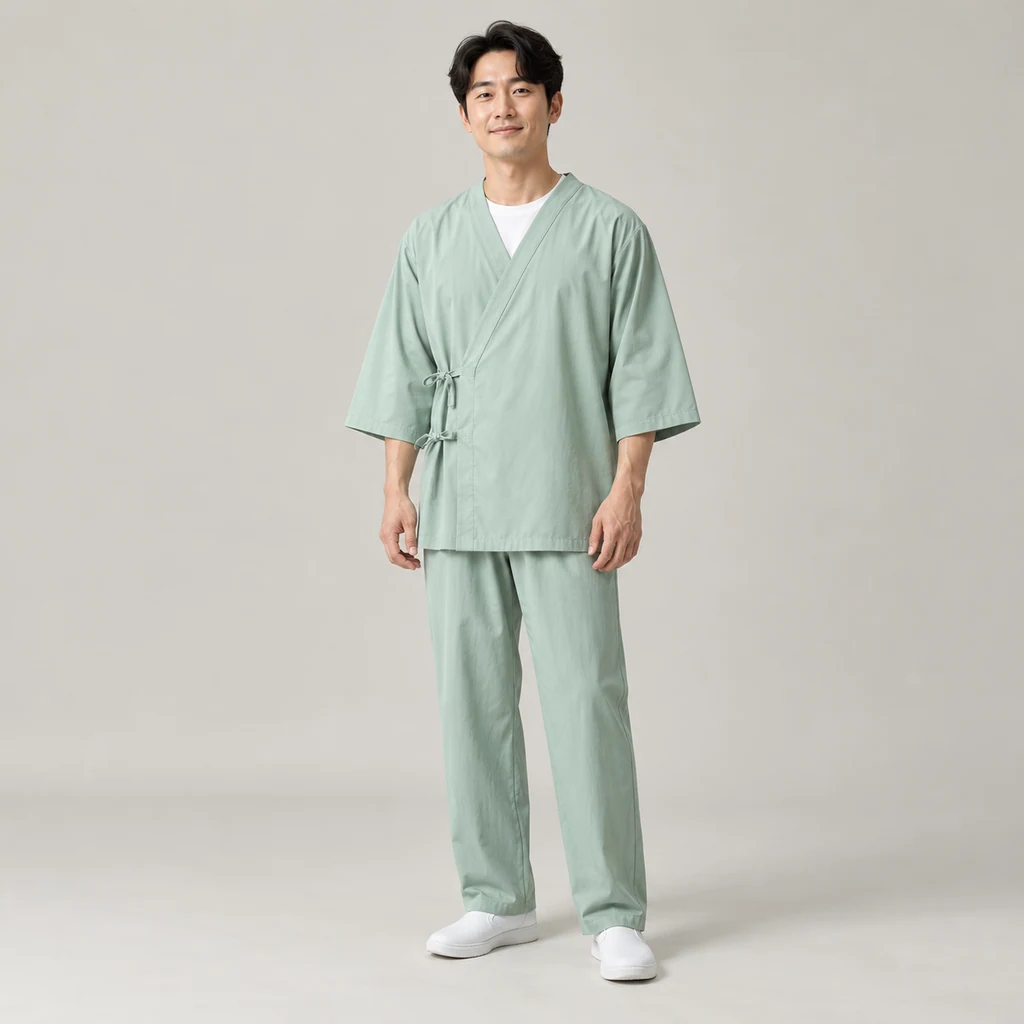
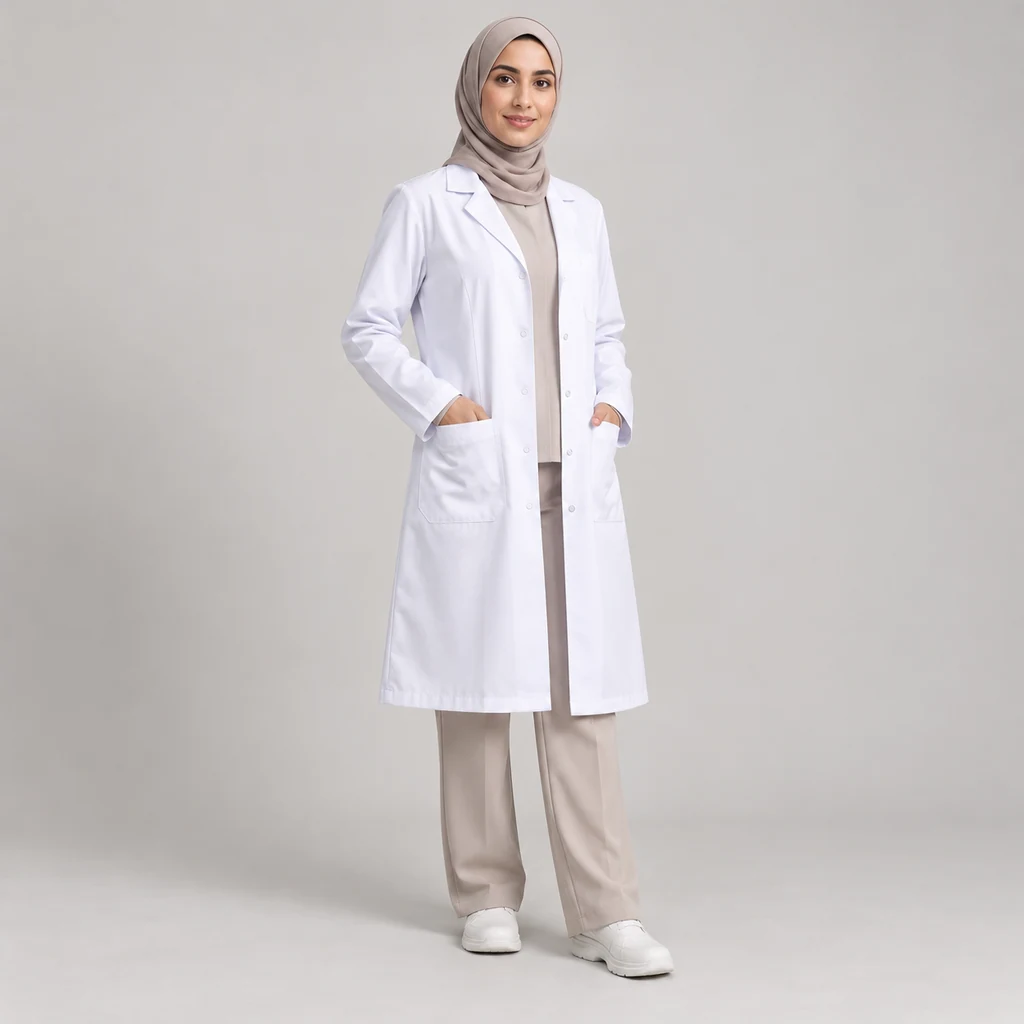
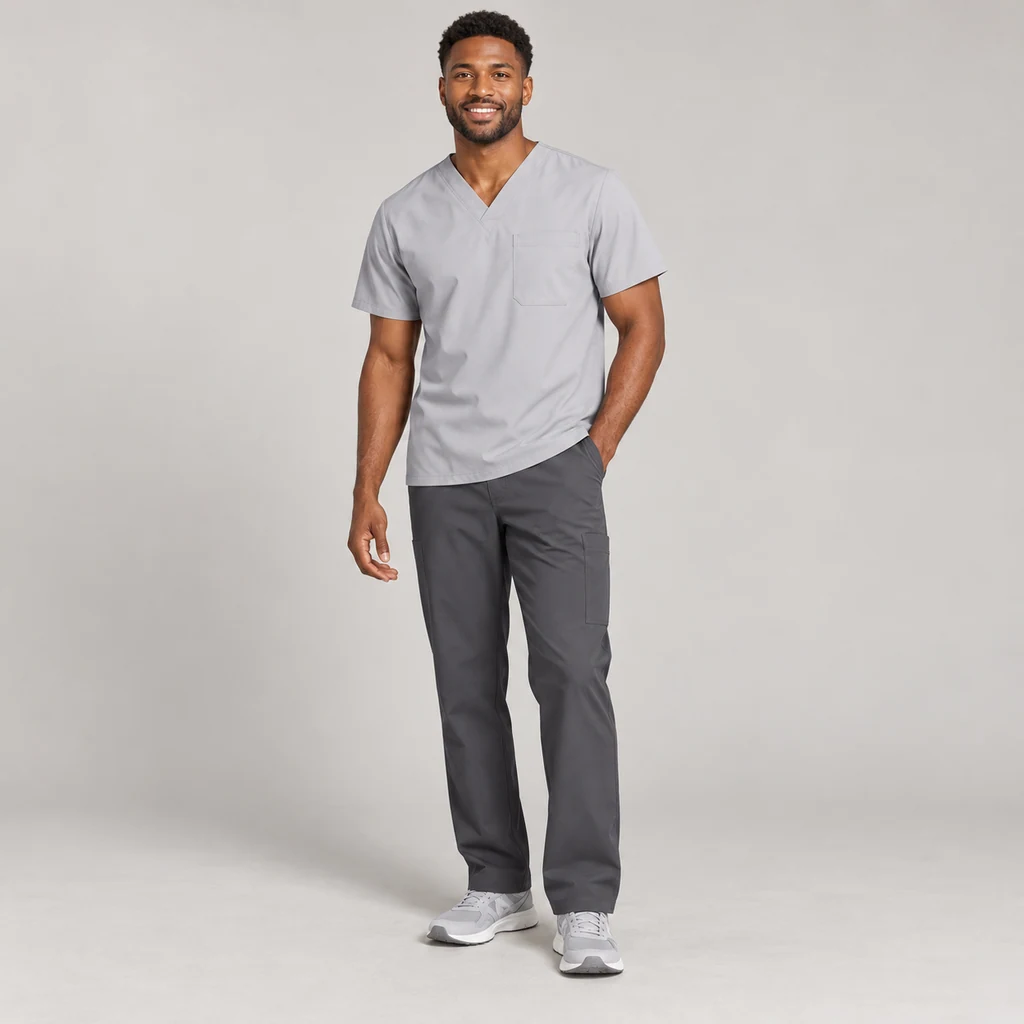
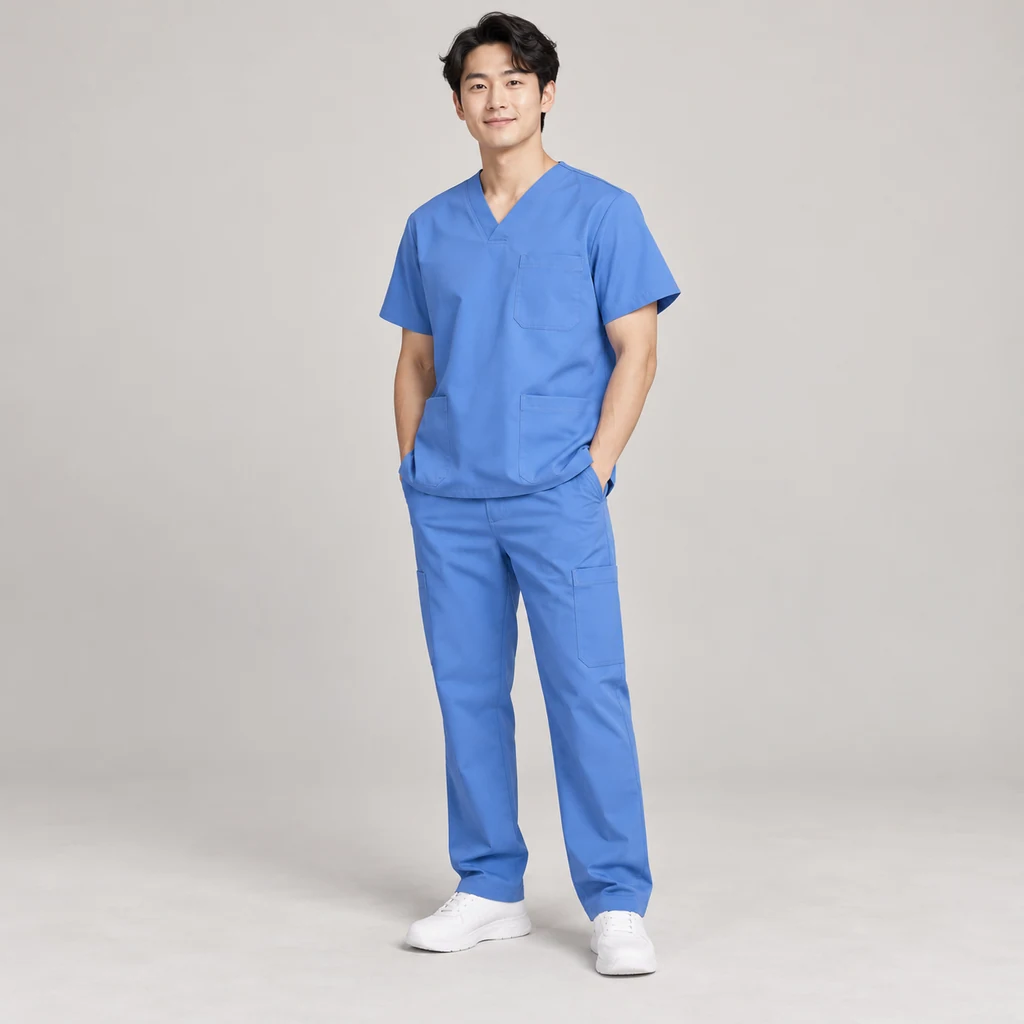
Men's medical scrubs and women's garment options can belong to one coordinated California team wardrobe without forcing every wearer into the same cut. Masswear Uniform welcomes inquiries that distinguish the appearance your organization wants from the fit each person needs. Build your order around clear garment references, individual measurements, and the clothing rules your facility actually follows. This approach lets your purchasing contact compare options while keeping role labels, fit preferences, and clinical requirements from becoming interchangeable assumptions.
Coordinate Men's Medical Scrubs Within One Clothing Standard
Start with the details your team shares: an approved color reference, permitted decoration, and the general appearance your facility expects. Then list the garment cuts that individual staff want to assess. A consistent visual standard does not require identical measurements, top lengths, or trouser shapes for everyone.
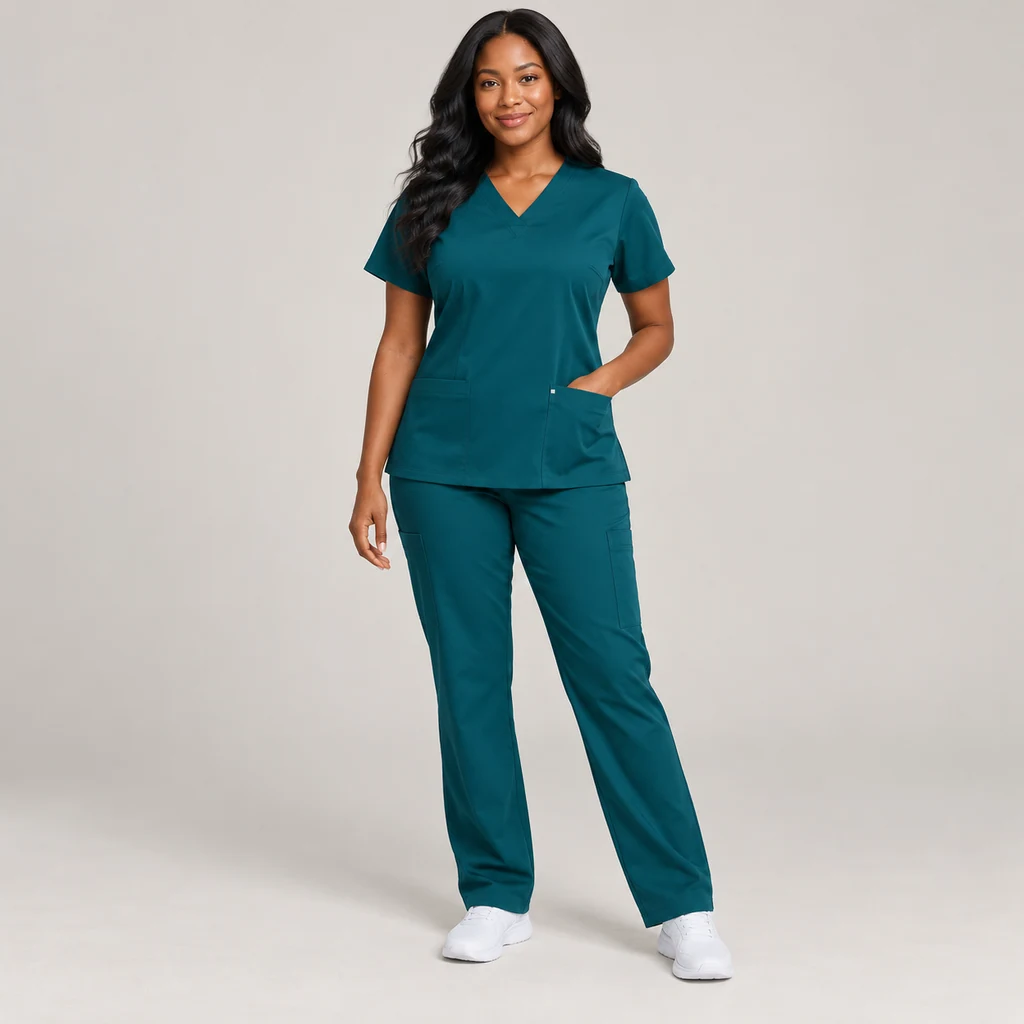
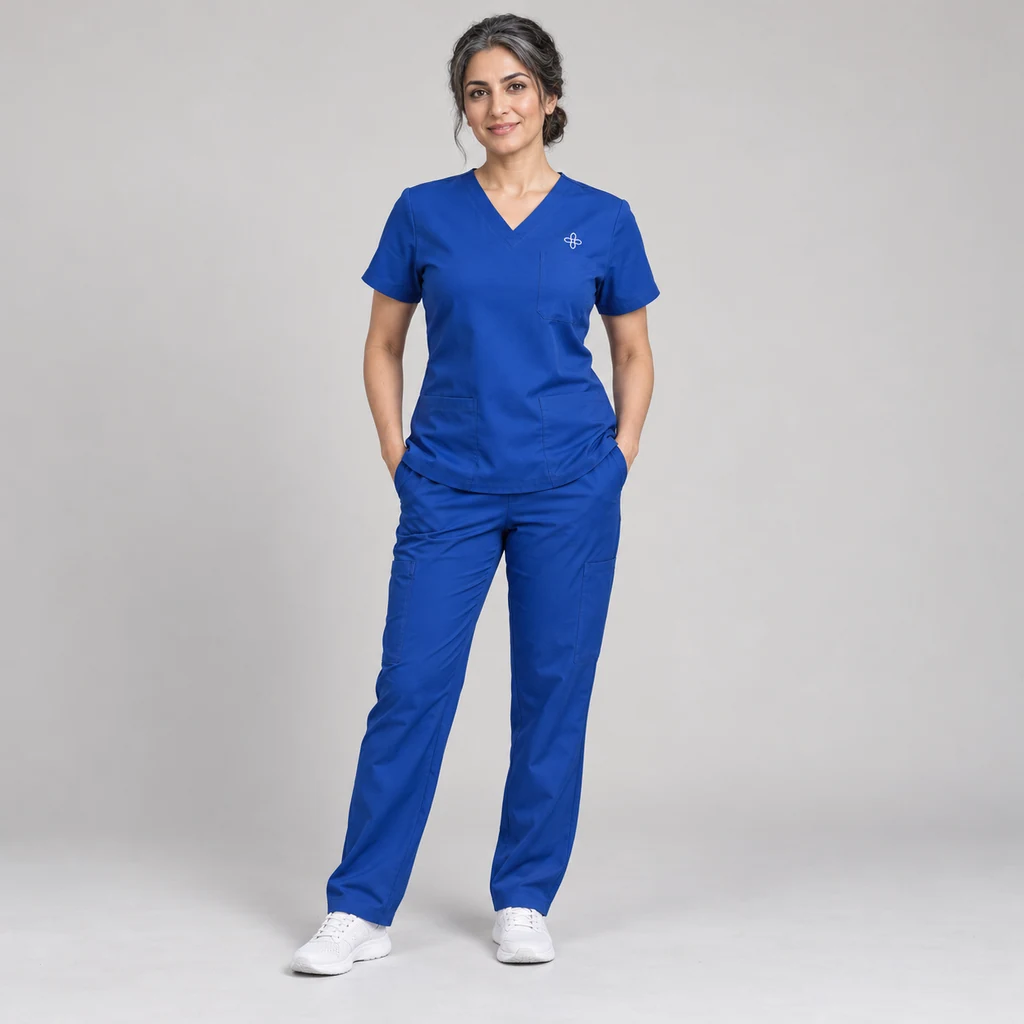
Create a separate reference for each proposed top and trouser option. Ask Masswear Uniform to confirm which combinations it can offer before presenting them as available choices to staff. If your team uses a preferred neckline, compare custom V-neck scrub tops against that brief rather than assuming the same upper garment will suit every wearer.
Make Women's Fit Requests Specific Enough to Quote
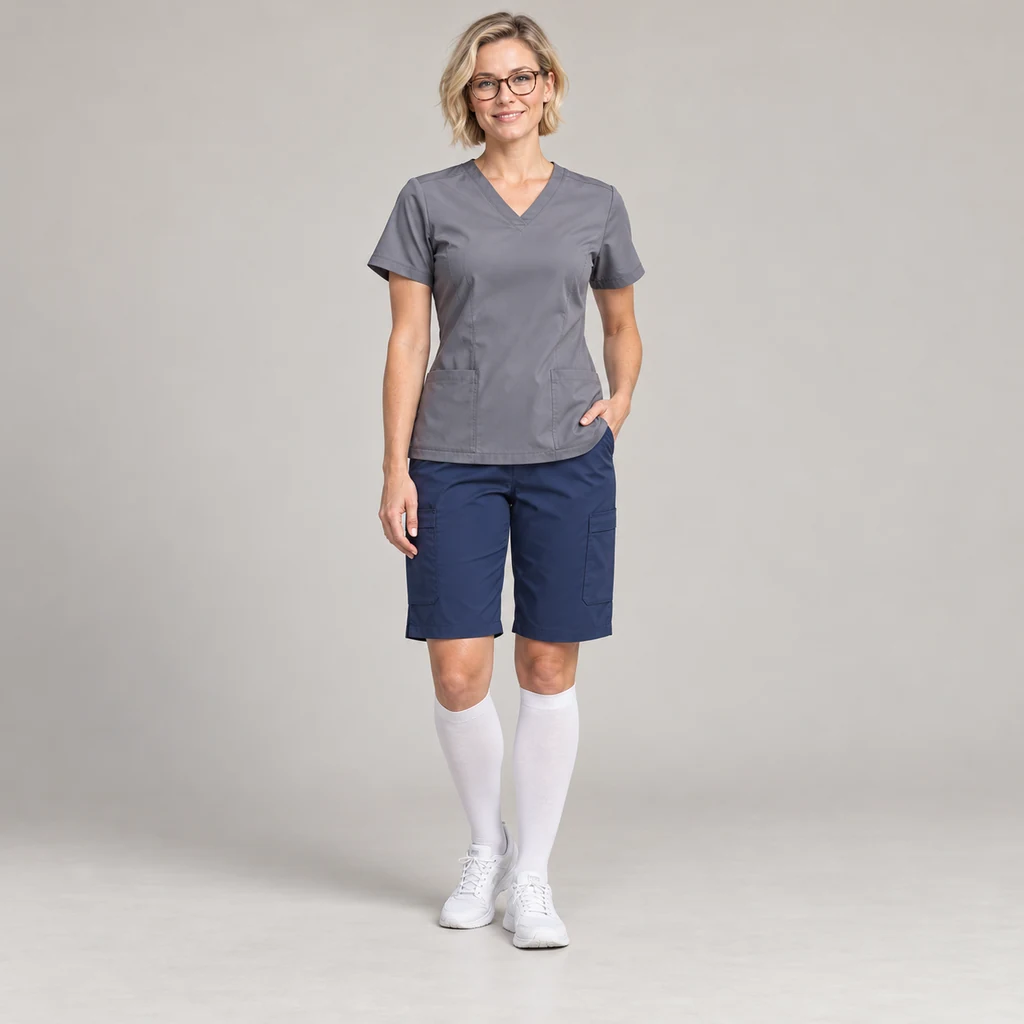
An entry such as “medical scrubs women's” does not tell your coordinator the required cut, garment length, or measurements. Translate that broad category into practical details: room through the bust and hips, preferred waist shaping, and the coverage the wearer expects during movement. Ask which measurements the proposed size chart describes before comparing it with a previous garment.
Some staff may submit a request under “womans scrubs,” while another list uses “women scrubs.” Bring those entries into one clear selection process instead of treating spelling differences as separate styles. Keep the person's preferred garment reference and size requirements together so your coordinator can request the correct option without guessing from a category label.
Compare Men's Scrubs Clothing by Actual Garment Measurements
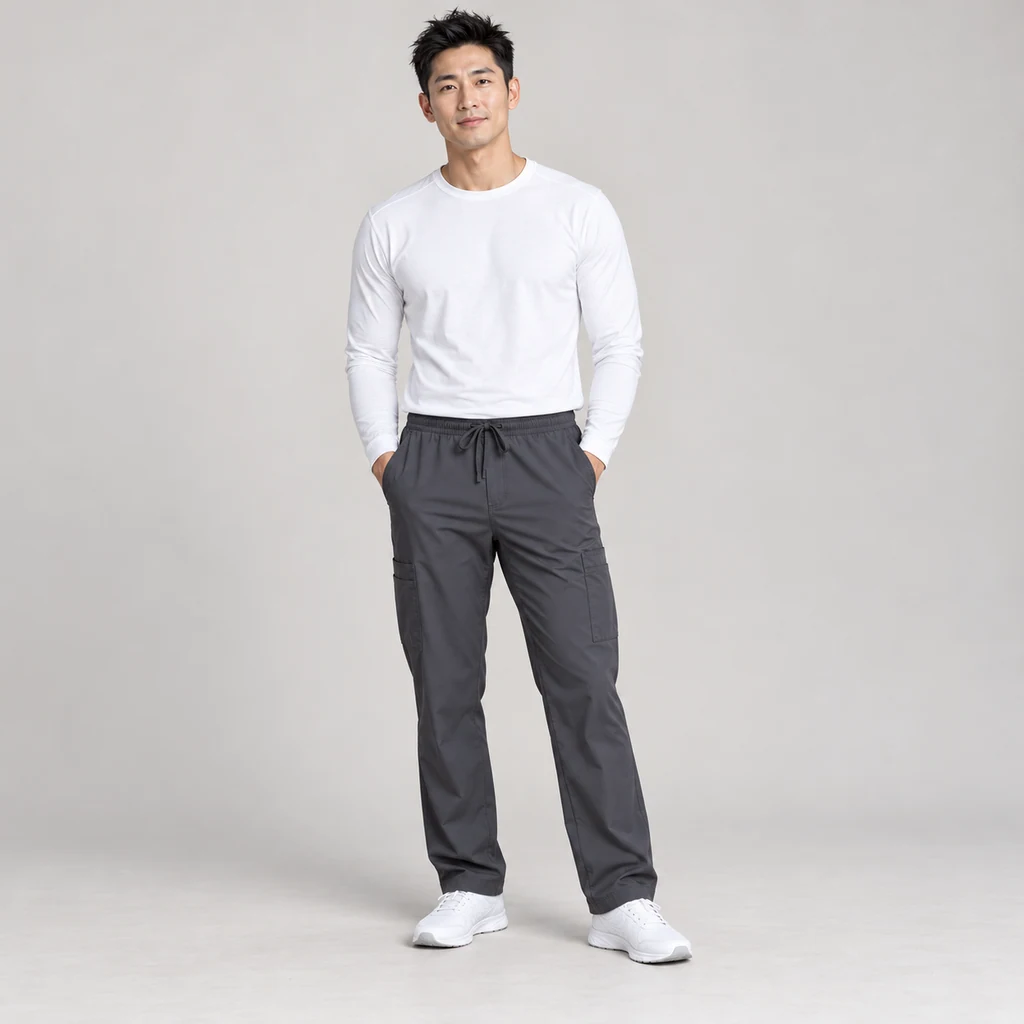
When reviewing men's scrubs clothing, check shoulder width, top length, trouser rise, and inseam against the proposed specification. Let each wearer assess the upper and lower garment independently. A familiar size name does not guarantee the same dimensions as clothing from another supplier or an earlier order.
Review custom scrub pants if your team wants to discuss trouser configurations alongside different top cuts. Record the selected waist size and length separately from the upper garment. Ask the supplier to confirm the final combination and any limitations before your purchasing contact assigns quantities to each style.
Clarify Surgical Scrubs Requirements With Your Facility
If your request includes surgical scrubs, identify the intended work area and ask your facility's responsible contact to confirm its clothing requirements. Keep that decision separate from choices about color or silhouette. A product category name alone does not establish sterility, protective certification, or permission to wear a garment in a particular clinical area.
Send the relevant garment requirements with your inquiry and ask whether the proposed option meets the specification your organization has supplied. Request supporting information for any technical claim that affects the decision. Do not interpret a general workwear description as proof of procedure-specific suitability, and resolve any unanswered requirement before approving a purchase.
Keep Clothing Categories Separate From Role Identification
A purchasing label such as “medical scrubs female” describes a broad fit category; it does not identify a person's clinical responsibilities. Agree the actual staff names, practice wording, and professional titles with your authorized contact before you request personalization. Keep the artwork file tied to the approved garment option so a change of cut does not introduce an unintended decoration change.
If your team also wears custom lab coats, review the complete combination for visible identification and access to the intended pockets. Request composition and care details for each proposed garment, then ask your facility to compare those instructions with its cleaning arrangements before confirming the outfit.
Submit One Clear California Order Schedule
For an organization collecting requests from Los Angeles, San Diego, Sacramento, or another California location, identify which clothing rules apply across the group and which require local confirmation. Give each coordinator the same style references and a deadline for resolving incomplete size requests. Do not assume that matching category names mean identical requirements at every site.
Bring the final garment selections, individual sizes, quantities, artwork, and receiving details into one schedule. Ask Masswear Uniform to confirm available configurations, minimum quantities, prices, and delivery terms against that complete brief. Retain the accepted references afterward so future discussions begin with the agreed clothing details rather than another ambiguous search label.